
.jpeg)
The functions and indications of fostatinib/fotantinib
Fostamatinib is a new type of immunomodulatory targeted drug. Its main function is to inhibit the activity of spleen tyrosine kinase (Syk), thereby intervening in abnormal immune responses. Syk plays an important role in immune cell signaling. When this signaling pathway is abnormally active, it will cause the body to produce autoantibodies that attack platelets, causing immune thrombocytopenia (ITP). Fotantinib blocks this process so that macrophages cannot continue to recognize and destroy platelets, thereby stabilizing platelet numbers and reducing bleeding events. Compared with traditional immunosuppressive or glucocorticoid treatments, fotantinib does not directly suppress the immune system, but selectively adjusts abnormal responses, so its safety and long-term tolerability are more ideal.
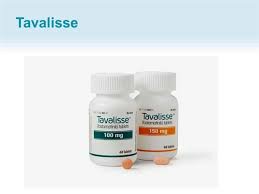
In clinical practice, fotantinib is mainly used to treat adult patients with chronic immune thrombocytopenia (ITP) who are refractory to standard treatments. Fortantinib offers a new hope for patients who have not improved significantly despite hormonal therapy, immunoglobulin infusions, or splenectomy. In addition, researchers are also exploring its potential applications in other immune-related diseases, such as rheumatoid arthritis, systemic lupus erythematosus, and certain autoimmune hemolytic anemias. Because its mechanism of action focuses on the Syk pathway, this mechanism is considered to potentially affect the pathogenesis of various immune diseases.
It is worth noting that liver function and blood pressure need to be monitored regularly during the administration of fotantinib, because drug metabolism may affect the liver and slightly increase blood pressure. Doctors will usually adjust the dose initially based on the patient's tolerance. As an oral preparation, the drug is highly convenient to take, and patients can complete treatment in a home environment.
Overall, the emergence of fotantinib has enrichedITP treatment system, brought new possibilities to patients who have poor response to traditional therapies, and also provided an important research direction for the future treatment of immune diseases.
Reference materials:https://go.drugbank.com/drugs/DB12010
[ 免责声明 ] 本页面内容来自公开渠道(如FDA官网、Drugs官网、原研药厂官网等),仅供持有医疗专业资质的人员用于医学药学研究参考,不构成任何治疗建议或药品推荐。所涉药品可能未在中国大陆获批上市,不适用于中国境内销售和使用。如需治疗,请咨询正规医疗机构。本站不提供药品销售或代购服务。


