
.jpeg)
How to safely discontinue tazetostat (Daveco) and the precautions for discontinuation
1. Drug overview and background of drug withdrawal
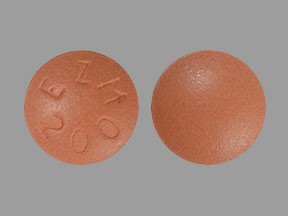
Tazemetostat (Tazemetostat) is an oral small molecule EZH2 inhibitor, mainly used to treat relapsed or refractory epithelioid sarcoma, follicular lymphoma and other specific tumors. As a targeted therapy drug, it blocks abnormal gene expression of tumor cells by inhibiting EZH2 enzyme activity, thereby slowing down tumor growth. In clinical use, some patients may need to consider discontinuing medication due to completion of treatment, disease control, adverse drug reactions or economic factors. A reasonable discontinuation strategy can reduce the risk of disease recurrence while ensuring patient safety.
2. Assessment and preparation before discontinuation of medication
Before deciding to discontinue medication, doctors will conduct a comprehensive evaluation, including tumor imaging examinations, hematology indicators, liver and kidney function assessment, and the patient's overall health. If the patient's tumor has been stably controlled and adverse reactions have been significantly reduced, discontinuation of the drug may be a feasible option. At the same time, the patient's risk of recurrence, previous treatment history, and concomitant medications need to be assessed to develop an individualized discontinuation plan. Patients should fully communicate with their doctors about the reasons, goals and possible risks of discontinuing medication, and ensure that emergency measures are in place to deal with changes in condition.
3. Medication withdrawal methods and the principle of gradual progress
A gradual approach to discontinuation of tazetostat is generally recommended rather than sudden complete cessation. Gradual tapering helps reduce the risk of rebound side effects caused by rapid drops in drug concentrations in the body and provides a buffer period for the body to adapt to drug withdrawal. For example, according to the specific dosage of the patient, the daily dose can be reduced by half or every few days, and changes in hematological and tumor indicators can be closely observed. During the dose reduction process, if the disease progresses or adverse reactions worsen, the plan should be adjusted in time or the original dose should be restored.
4. Monitoring and follow-up after discontinuation of medication
After stopping the drug, patients need to undergo regular follow-up, including imaging examinations, hematology tests and symptom assessment. Imaging follow-up can help detect tumor recurrence or progression early, and hematology monitoring can promptly detect abnormalities in liver and kidney function or blood picture changes. It is generally recommended to conduct more intensive examinations within the first 3 to 6 months after stopping the drug, and then extend the follow-up interval according to the condition of stable disease. In addition, patients should pay attention to balanced nutrition in their lifestyle, avoid overexertion, quit smoking and limit alcohol, and follow doctor's instructions for auxiliary treatment or symptom management to improve the safety of drug withdrawal and quality of life.
5. Special groups and individualized precautions
For patients with impaired liver and kidney function, elderly patients, or patients with multiple diseases, the discontinuation strategy needs to be more cautious. Some patients may still require low-dose maintenance therapy during drug withdrawal to reduce the risk of relapse. At the same time, if other anti-tumor treatments are required during drug withdrawal, they should be coordinated with the original course of treatment to avoid drug interactions or reduction in efficacy. In short, safe drug withdrawal not only relies on the scientific guidance of doctors, but also requires patients to actively cooperate with regular review and self-monitoring.
6. Summary and clinical suggestions
In general, the safe discontinuation of tazerestat needs to follow the whole process management of "assessment-reduction-monitoring-follow-up". The condition and risk of recurrence need to be fully assessed before discontinuing medication; the process of discontinuing medication should be gradual to avoid sudden discontinuation; after discontinuation of medication, close follow-up and monitoring are required, and abnormal situations should be dealt with in a timely manner. Through scientific and reasonable drug discontinuation strategies, patients can not only reduce adverse reactions and drug burden, but also maintain disease control to the greatest extent, achieving a balance between treatment effect and quality of life.
Reference materials:https://www.drugs.com/
[ 免责声明 ] 本页面内容来自公开渠道(如FDA官网、Drugs官网、原研药厂官网等),仅供持有医疗专业资质的人员用于医学药学研究参考,不构成任何治疗建议或药品推荐。所涉药品可能未在中国大陆获批上市,不适用于中国境内销售和使用。如需治疗,请咨询正规医疗机构。本站不提供药品销售或代购服务。


