
.jpeg)
Comprehensive analysis of the efficacy and side effects of pirfenidone (Asri) and patient recommendations
1. Drug overview and indications
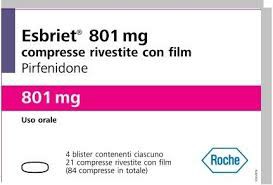
Pirfenidone (Pirfenidone) is an oral small molecule anti-fibrotic drug mainly used to treat idiopathic pulmonary fibrosis (Idiopathic Pulmonary Fibrosis, IPF). Its mechanism of action is mainly through inhibiting transforming growth factor-β (TGF-β) and inflammation-mediated pathways, thereby slowing down the process of lung tissue fibrosis and reducing the rate of decline in lung function. Compared with traditional supportive care, pirfenidone can prolong patient survival, improve quality of life, and slow down the progression of pulmonary fibrosis to a certain extent.
2. Analysis of drug efficacy and clinical efficacy
Clinical studies have shown that pirfenidone can significantly slow down the decline in lung function, which is mainly manifested in the fact that the decline in vital capacity (FVC) within one year after treatment is significantly lower than that in the placebo group. In multiple randomized controlled trials, pirfenidone improved 6 minute walking distance (6MWD) and quality of life scores while reducing the incidence of acute exacerbations (acute exacerbation). For patients with intermediate and advanced IPF, the early intervention effect of pirfenidone is particularly important, as it can delay the deterioration of lung function and prolong survival.
3. Common side effects and management
Common adverse reactions of pirfenidone include nausea, decreased appetite, diarrhea, rash, photosensitivity reactions, and abnormal liver function. Among them, photosensitivity reaction is a common clinical side effect that requires attention. Patients should avoid prolonged sun exposure and use sunscreen and sun-shade clothing when going out. Gastrointestinal discomfort such as nausea and diarrhea can be relieved by dividing meals, slowing down the dose gradient, or using antidiarrheal drugs under the guidance of a doctor. Abnormal liver function requires regular monitoring of liver enzyme indicators, and if abnormalities are found, the dose should be adjusted or medication should be suspended in a timely manner. Some patients may experience fatigue and weight loss in the early stages of medication, and should strengthen nutritional support and moderate exercise.
4. Long-term medication safety and monitoring recommendations
Pirfenidone usually needs to be taken for a long time to maintain its efficacy. Patients should continue to take the drug under the guidance of a doctor and avoid stopping the drug at will or changing the dose on their own. Long-term use requires attention to changes in liver and kidney function, blood routine, and lung function, and individualized dose adjustments should be made based on monitoring results. For elderly patients or patients with other chronic diseases, they need to be more cautious and follow the principle of "low starting dose - gradual increase - close follow-up" to ensure safety and efficacy.
5. Patient medication recommendations and life management
While taking pirfenidone, patients should pay attention to regular medication, reasonable diet and lifestyle management. It is recommended to take the medication with meals to reduce gastrointestinal discomfort and to maintain balanced nutrition and adequate fluid intake. You should pay attention to sun protection when going out to avoid photosensitivity reactions. Patients should also regularly review lung function, blood indicators and liver function, and promptly report discomfort symptoms to the doctor so that the medication plan can be adjusted. Psychological support and exercise rehabilitation can also help improve quality of life and increase treatment compliance.
6. Summary
Overall, pirfenidone has significant efficacy in slowing down disease progression, prolonging survival and improving quality of life in the treatment of idiopathic pulmonary fibrosis. However, its side effects require attention, and risks can be effectively reduced through reasonable dose adjustment, monitoring and life management. Patients should undergo individualized treatment under the guidance of professional doctors, combined with drug efficacy and side effect management, to achieve safe and effective long-term anti-fibrosis treatment.
Reference materials:https://www.drugs.com/
[ 免责声明 ] 本页面内容来自公开渠道(如FDA官网、Drugs官网、原研药厂官网等),仅供持有医疗专业资质的人员用于医学药学研究参考,不构成任何治疗建议或药品推荐。所涉药品可能未在中国大陆获批上市,不适用于中国境内销售和使用。如需治疗,请咨询正规医疗机构。本站不提供药品销售或代购服务。


