
.jpeg)
Where can I find detailed instructions for Alpelisib?
Alpelisib (Alpelisib)-Piqray is a selective phosphatidylinositol-3-kinase α (PI3Kα) inhibitor. It is an oral drug that has attracted much attention in the targeted treatment of breast cancer in recent years. The drug was developed by Novartis and is the first PI3K inhibitor approved by the FDA specifically for breast cancer patients with PIK3CA gene mutations. Its advent marks the entry of the molecular era in the treatment of hormone receptor-positive (HR+), HER2-negative advanced breast cancer. The following is the core pharmaceutical information and clinical application points of Apelvis
1. Basic information and drug characteristics
Common name: Alpelisib,Alpelisib
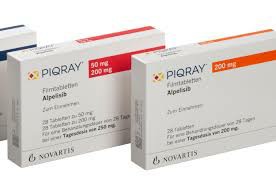
Product name:PIQRAY
Other names: Abolib, Aikli
Specifications and dosage forms: film-coated tablets, common dosages are50mg, 150mg, 200mg.
Storage method: It is recommended to store at a room temperature of 20°C to 25°C. It is allowed to fluctuate between 15°C and 30°C for a short period of time. Avoid moisture and direct sunlight.
Apelix is a highly selective PI3Kα inhibitor that can specifically target the PIK3CA gene mutation pathway and inhibit the growth and proliferation of tumor cells at the molecular level.
2. Indications and Applicable Populations
Apelix is mainly used to treat hormone receptor (HR)-positive, HER2-negative, advanced or metastatic breast cancer with PIK3CA mutations. It is suitable for postmenopausal female and male patients and needs to be used after treatment with Fulvestrant or other endocrine therapy fails. The presence of PIK3CA mutations must be confirmed by an FDA-approved genetic test before use.
This type of patients often develop resistance after traditional endocrine therapy, and Apelvis restores sensitivity to hormone therapy by inhibiting the activation of the PI3K/Akt pathway, thereby delaying disease progression.
3. Pharmacological mechanism of action
Apelix blocks the PI3K/Akt/mTOR signaling pathway from the root by inhibiting the activity of PI3Kα isoform. This pathway is an important driving force for the occurrence, development and drug resistance of various cancers. PIK3CA gene mutations lead to continued activation of this pathway, thereby promoting cancer cell growth and resistance to apoptosis. Apelvis can inhibit this abnormal signal and inhibit the growth of tumor cells.
The study found that in ER-positive breast cancer models with PIK3CA mutations, the combination of apelvis and fulvestrant can significantly enhance the anti-tumor activity. Fulvestrant degrades estrogen receptors, while apelvis blocks downstream signals. The synergistic effect of the two can effectively prolong disease control time.
4. Recommended usage and dosage
1. Regular dose: The recommended oral dose is 300 mg once daily (i.e. two 150 mg film-coated tablets), which needs to be taken with meals to improve drug absorption rate.
2. Combination medication: It should be used in conjunction with Fulvestrant (Fulvestrant). The recommended dose of the latter is 500 mg, injected once on the 1st, 15th, and 29th day, and once a month thereafter.
3. Medication management: The tablets should be swallowed whole and should not be chewed, crushed or broken. If the patient has difficulty swallowing, the tablets can be soaked in 60-120mL of water for 5 minutes, then stirred and taken, and the remaining medicine can be taken with water again.
4. Handling of missed doses: If the missed dose is less than 9 hours, you can take it immediately; if it exceeds 9 hours, skip the dose and resume regular dosing the next day. Do not take the medicine again.
5. Management after vomiting: If you vomit after taking the medicine, you should not take another dose. The next dose should be taken at the normal time.
5. Adverse reactions and safety monitoring
Common adverse reactions of Apelix include hyperglycemia, diarrhea, rash, nausea, fatigue, decreased appetite and stomatitis. Most of these symptoms can be relieved with supportive care or dose adjustment. Some patients may experience weight loss, hair loss, or mild vomiting.
Less common serious adverse reactions that warrant caution include:
Hyperglycemic hyperosmolar nonketotic syndrome (HHNKS)
Angioedema or allergic reaction
Drug reaction with eosinophilia and systemic symptoms (DRESS)
uveitis or colitis
Clinically, it is recommended that patients regularly monitor blood sugar, liver function and skin reactions in the early stages of medication. If intolerable toxic reactions occur, the medication should be discontinued in time and symptomatic treatment should be carried out.
6. Taboos and Precautions
Apellis is contraindicated in patients with a severe allergic reaction to this medicine or any of its components. Diabetic patients or those with metabolic disorders should use it with caution and adjust their diet and drug dosage under the guidance of a doctor. If combined with infection or abnormal liver function, it needs to be used with caution and under monitoring.
7. Drug overdose and emergency treatment
Doses as high as 450 mg daily have been observed in clinical studies. Overdose may cause high blood sugar, fatigue, rash and nausea. If overdose occurs, the drug should be discontinued immediately and supportive treatment given. There is currently no specific antidote.
8. Drug storage and stability
Apellis should be stored in a dry, cool place away from direct sunlight. It is recommended to keep the original packaging in a moisture-proof state and keep it out of reach of children.
Reference materials:https://www.piqray.com/
[ 免责声明 ] 本页面内容来自公开渠道(如FDA官网、Drugs官网、原研药厂官网等),仅供持有医疗专业资质的人员用于医学药学研究参考,不构成任何治疗建议或药品推荐。所涉药品可能未在中国大陆获批上市,不适用于中国境内销售和使用。如需治疗,请咨询正规医疗机构。本站不提供药品销售或代购服务。


