
.jpeg)
Analysis of whether baricitinib/alemin tablets can treat vitiligo
Vitiligo is a common depigmentation skin disease, which is mainly characterized by local or widespread depigmentation spots on the skin. Modern research has confirmed that the occurrence of vitiligo is closely related to an autoimmune reaction. The body's immune system will mistakenly attack melanocytes, leading to damage to their function or even death. With the in-depth study of immune mechanisms, JAK inhibitor drugs are gradually considered as a potential new direction in the treatment of vitiligo, among which baricitinib is one of the research focuses in this field.
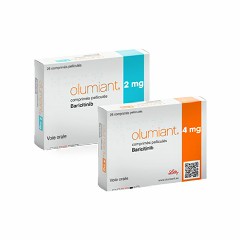
Baricitinib effectively blocks the excessive activation of interferon-γ (IFN-γ) and its related inflammatory pathways by inhibiting theJAK1 and JAK2 signaling pathways. Research shows that this signaling pathway plays a key role in the pathogenesis of vitiligo. IFN-γ can promote immune cells to attack melanocytes, thereby causing skin depigmentation. Therefore, inhibiting this pathway may indirectly protect melanocytes from damage and help restore skin pigment production.
In research, some small-scale clinical trials have shown that baricitinib may have a certain improvement effect on some patients with vitiligo, especially when used in combination with phototherapy, it can accelerate the process of pigment regeneration. The principle is to reactivate residual melanocytes by reducing the local immune inflammatory response, thereby achieving pigment return. Some dermatologists in the United States and Japan have tried to use it in the treatment of vitiligo in case studies, and the preliminary results are relatively positive.
However, baricitinib has not yet been officially approved for the treatment of vitiligo, and its indication is still in the clinical research or exploration stage whether in mainland China or European and American countries. The application of drugs in vitiligo still requires further multi-center, large-sample studies to verify efficacy and safety. In addition, long-term use of JAK inhibitors may cause risks related to immunosuppression, such as infection or abnormal liver function, so they must be used under the guidance of a doctor.
Reference materials:https://go.drugbank.com/drugs/DB11817
[ 免责声明 ] 本页面内容来自公开渠道(如FDA官网、Drugs官网、原研药厂官网等),仅供持有医疗专业资质的人员用于医学药学研究参考,不构成任何治疗建议或药品推荐。所涉药品可能未在中国大陆获批上市,不适用于中国境内销售和使用。如需治疗,请咨询正规医疗机构。本站不提供药品销售或代购服务。


