
.jpeg)
Is lansoprazole/daclopron safe for pregnant women to take?
Gastroesophageal reflux and heartburn are common problems during pregnancy. In clinical practice, drug efficacy often needs to be weighed against fetal safety. Regarding the safety of proton pump inhibitors during pregnancy, epidemiological studies and large cohort analyzes in the past decade or so generally tend to believe that PPIs (including lansoprazole), when used appropriately when necessary, will not significantly increase the overall risk of major congenital malformations, but it still needs to be carefully evaluated and the principle of "use when necessary, and the lowest effective dose" must be followed.
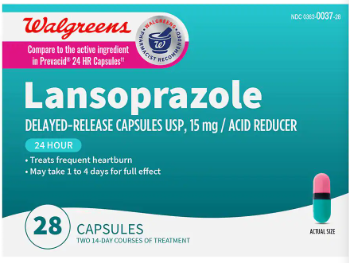
Specific to lansoprazole/daclopron (Lansoprazole) , the official instructions and pharmaceutical review remind: Animal reproductive toxicity studies cannot be completely extrapolated to the human population, so it can only be used during pregnancy when clearly needed, and maternal benefits should be weighed against potential risks. Multiple clinical studies and systematic reviews (including large-sample cohort studies) have not found a significant increase in birth defects associated with PPI exposure. However, some studies have suggested a slight association with the risk of a very small number of specific congenital anomalies. However, these findings are often affected by confounding factors and there is no consistent conclusion. Based on current evidence, the clinical consensus is that "if drugs are not indispensable, non-drug or safer alternative therapies should be given priority; if symptoms seriously affect life or complications exist, PPIs can be used after joint evaluation by obstetrics and gastroenterology to protect maternal health."
At the actual prescription level, many guidelines listPPIs as one of the drug options to consider during pregnancy, especially when H2 receptor antagonists or lifestyle modifications fail to relieve symptoms. Some data specifically evaluate the pregnancy outcomes of lansoprazole. Case and follow-up data show no obvious teratogenic signal, but the sample size is limited and caution is still needed. More authoritative international cohort studies (such as NEJM and large national database analysis) suggest that no significant increased risk of major malformations has been detected overall, but it is recommended that exposure in early pregnancy still needs more extensive data support to completely rule out small risks.
Reference materials:https://www.drugs.com/lansoprazole.html
[ 免责声明 ] 本页面内容来自公开渠道(如FDA官网、Drugs官网、原研药厂官网等),仅供持有医疗专业资质的人员用于医学药学研究参考,不构成任何治疗建议或药品推荐。所涉药品可能未在中国大陆获批上市,不适用于中国境内销售和使用。如需治疗,请咨询正规医疗机构。本站不提供药品销售或代购服务。


