
.jpeg)
Is the recommended course of long-term use of Imatinib (Gleevec) for three or five years?
Imatinib is an oral small molecule tyrosine kinase inhibitor, mainly used for the treatment of chronic myelogenous leukemia (CML) and some gastrointestinal stromal tumors (GIST). For CML patients, especially those in the chronic phase, clinical studies have shown that imatinib can significantly extend the progression-free survival and overall survival rate of patients, but the length of treatment still needs to be determined based on the individual condition, efficacy evaluation and molecular monitoring results.
Many clinical guidelines currently recommend that for CML patients who achieve complete molecular remission (MMR or deep molecular remission MR4.5), three years of treatment may be considered as a basic course of treatment. During this period, patients need regular hematological and molecular monitoring to assess treatment efficacy and risk of drug resistance. If the patient still maintains stable remission after three years of treatment, the treatment can be continued according to the doctor's evaluation or the drug can be discontinued. However, the drug should be discontinued with caution and strict follow-up.
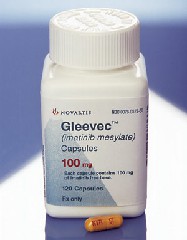
For some high-risk patients or those with molecular residues during treatment, extending the treatment course to five years or even longer may be more appropriate. Extending the course of treatment can help consolidate treatment effects, reduce the risk of relapse, and provide protection against possible future discontinuation. At the same time, long-term medication needs to pay attention to adverse drug reactions and quality of life, and ensure efficacy and safety through reasonable dose adjustment and management of adverse reactions.
In summary, the choice of three- and five-year imatinib treatment courses should be based on the patient's molecular response, risk stratification, and treatment tolerance. The three-year course is suitable for low-risk, complete remission patients, while the five-year course is more suitable for patients who are at higher risk or have residual molecular disease. When making specific decisions, you should strictly follow the advice of professional doctors and monitor the condition regularly to ensure the safety and effectiveness of long-term treatment.
Reference materials:https://www.drugs.com/
[ 免责声明 ] 本页面内容来自公开渠道(如FDA官网、Drugs官网、原研药厂官网等),仅供持有医疗专业资质的人员用于医学药学研究参考,不构成任何治疗建议或药品推荐。所涉药品可能未在中国大陆获批上市,不适用于中国境内销售和使用。如需治疗,请咨询正规医疗机构。本站不提供药品销售或代购服务。


