
.jpeg)
Comparison of the efficacy of bezutivan (Viliru) and sunitinib and suggestions for drug selection
Belzutifan (Belzutifan) and sunitinib (Sunitinib) are both used for anti-tumor treatment, but there are obvious differences in their mechanisms of action and indications. Bestifan is an oral HIF-2 α inhibitor, mainly used to treat tumors related to abnormalities in the HIF pathway, such as clear cell renal cell carcinoma and certain rare solid tumors associated with VHL disease. It blocks the angiogenesis and proliferation of tumor cells by inhibiting the HIF-2α signaling pathway, thereby inhibiting tumor growth.
Sunitinib is a multi-target tyrosine kinase inhibitor (TKI), acting on VEGFR, PDGFR and c-KIT are widely used in renal clear cell carcinoma, gastrointestinal stromal tumors and pancreatic neuroendocrine tumors. The anti-tumor effect of sunitinib is mainly achieved by inhibiting tumor angiogenesis and tumor cell proliferation. Its indication range is wider than that of bezutivan, but it also has relatively more side effects.
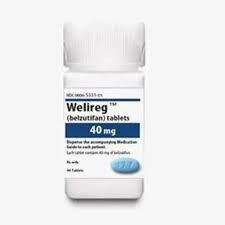
In terms of efficacy comparison, bezotivan has shown better response rate and tolerability in patients with VHL related clear cell renal cell carcinoma. It is especially safer for patients undergoing long-term treatment. The incidence of side effects such as increased blood pressure and hand-foot syndrome is lower than that of sunitinib. Sunitinib has mature clinical data support in advanced renal cancer and various other solid tumors. Its efficacy is relatively significant in short-term tumor control, but long-term use requires attention to adverse reactions such as blood pressure, platelets, and liver function.
The choice of medication should be based on the patient's specific condition, genetic background and tolerance. For VHL related clear cell renal cell carcinoma and tumors that are strongly dependent on the HIF-2α pathway, bexotivan is the first choice; while for patients who are not VHL related, have multi-target needs, or have active tumor angiogenesis, sunitinib is still a commonly used clinical regimen. Doctors will develop an individualized treatment plan based on the patient's age, tumor type, previous medication history and potential side effects to maximize efficacy and optimize safety.
Reference materials:https://www.drugs.com/
[ 免责声明 ] 本页面内容来自公开渠道(如FDA官网、Drugs官网、原研药厂官网等),仅供持有医疗专业资质的人员用于医学药学研究参考,不构成任何治疗建议或药品推荐。所涉药品可能未在中国大陆获批上市,不适用于中国境内销售和使用。如需治疗,请咨询正规医疗机构。本站不提供药品销售或代购服务。


