
.jpeg)
Imatinib (Gleevec) medication precautions and safe medication guide analysis
Imatinib (Imatinib) is an oral tyrosine kinase inhibitor, mainly used to treat chronic myeloid leukemia (CML), gastrointestinal stromal tumor (GIST) and some other specific tumors. Due to its characteristics of long-term use and potential adverse reactions, patients must strictly follow medical instructions during medication, master the correct medication method and safe medication precautions to ensure treatment effects and reduce risks. The following will provide a detailed analysis from four aspects: medication methods, diet and lifestyle habits, monitoring and management of adverse reactions, and medication for special groups.
First of all, imatinib should be taken according to the dosage and time prescribed by the doctor, and do not adjust it at will. It is usually recommended to take it orally at the same time every day to maintain stable drug concentration in the body. The tablet should be swallowed whole when taking the medicine, and can be taken with or after meals to reduce gastrointestinal discomfort. If you miss a dose, you should take it as soon as you remember. However, if it is close to the next dose, you should not take it with a double dose to avoid increasing the risk of adverse reactions. Before starting treatment, patients should read the drug instructions carefully and understand the dosage adjustment plan under the guidance of a doctor so that they can be safely adjusted if side effects or drug tolerance changes.
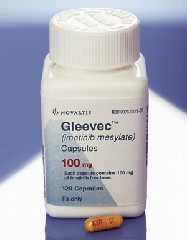
Secondly, diet and lifestyle habits are crucial to the safe use of imatinib. During the medication period, you should avoid eating foods that may interfere with drug absorption, such as high-fat and high-protein diets that may affect the efficacy of the medication. At the same time, you should avoid taking it with grapefruit and its products to prevent abnormal increases in drug blood concentrations. Patients should maintain a regular schedule, moderate exercise and a good mental state to enhance immune function and tolerance. In addition, drinking, smoking and abusing health products or other drugs may increase the burden on the liver or cause drug interactions. You should try to avoid this and inform your doctor of all drugs you are taking before taking them.
Third, imatinib may cause a variety of adverse reactions, including edema, fatigue, nausea, rash, diarrhea, and abnormal liver function. Therefore, patients need to undergo regular blood routine, liver and kidney function and electrocardiogram tests to monitor drug safety. Once obvious edema, persistent high fever, severe rash, or elevated liver function indicators occur, you should contact your doctor immediately and adjust the dose or suspend treatment if necessary. At the same time, side effects can be alleviated through symptomatic treatment, such as taking medication with meals, maintaining adequate rest, and taking local care of rashes, etc., to improve medication tolerance and compliance.
Finally, for special groups such as pregnant women, lactating women, or patients with liver and kidney dysfunction, imatinib should be used with extreme caution. Pregnant women should avoid use or take the drug with caution after a doctor strictly assesses the risks to prevent fetal malformations; lactating women need to stop breastfeeding or change treatment plans; patients with liver and kidney dysfunction need to adjust the dose or extend the monitoring period. In addition, children and elderly patients may also have differences in drug metabolism, and individualized medication plans need to be formulated. Overall, the key to long-term safe use of imatinib lies in strict compliance with medical instructions, regular monitoring and timely management of adverse reactions.
In short, the safe medication guidelines for imatinib include strict compliance with dosage and medication time, attention to diet and living habits, regular monitoring of blood routine and liver and kidney function, and individualized management of special groups. Patients should maintain close communication with their doctors during the medication process, report abnormal symptoms in a timely manner, and rationally adjust the medication regimen to ensure maximum efficacy and medication safety. Only under the guidance of scientific standards can the therapeutic effect of imatinib be fully exerted, while risks can be effectively controlled.
Reference materials:https://www.drugs.com/
[ 免责声明 ] 本页面内容来自公开渠道(如FDA官网、Drugs官网、原研药厂官网等),仅供持有医疗专业资质的人员用于医学药学研究参考,不构成任何治疗建议或药品推荐。所涉药品可能未在中国大陆获批上市,不适用于中国境内销售和使用。如需治疗,请咨询正规医疗机构。本站不提供药品销售或代购服务。


