
.jpeg)
Dosage, usage and medication instructions for Canafenib/Encofenib (Betavi)
Canafenib (Encorafenib) is an oral BRAF inhibitor, mainly used to treat patients with advanced melanoma carrying BRAF V600 mutations and certain advanced non-small cell lung cancer (NSCLC). The drug inhibits the activity of BRAF tyrosine kinase and blocks the MAPK signaling pathway, thereby inhibiting tumor cell proliferation and inducing apoptosis. In clinical application, reasonable dosage and medication operation are of great significance to ensure drug efficacy and reduce adverse reactions.
1. Recommended dosage and dosage form
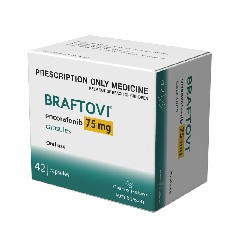
Canafenib is usually in capsule form, and common strengths include 75mg and 150mg. Depending on the type of disease and the patient's weight, liver and kidney function, the standard adult dosage is generally once a day or twice a day, and the total dosage is adjusted by the attending physician according to the patient's specific conditions. The conventionally recommended dose for patients with advanced melanoma is 450 mg daily combined with a MEK inhibitor (such as Binimetinib), which can be taken twice in the morning and evening to improve tolerance and maintain stable blood concentration.
2. Medication time and precautions
Canafenib should be taken on an empty stomach or with food, but it is recommended to maintain a fixed time every day to ensure stable blood concentration. When taking the medicine, swallow it whole and do not crush or chew it to avoid affecting the absorption of the medicine or irritating the oral mucosa. In the event of nausea, vomiting or indigestion, it can be taken with a small amount of food to relieve discomfort. If patients have difficulty swallowing, they can ask their doctor whether the capsule contents can be mixed with liquid.
3. Adverse reaction monitoring and dose adjustment
Common adverse reactions of canafenib include rash, fatigue, joint pain, hematological abnormalities and increased liver function. Patients need to regularly monitor blood routine, liver and kidney function, electrocardiogram and other indicators during medication in order to detect potential problems early. If serious adverse reactions occur, the doctor can adjust the dose or temporarily discontinue the drug according to the specific situation. For example, when liver function is obviously abnormal, medication should be suspended and necessary intervention treatment should be carried out. After the indicators recover, medication can be resumed or reduced according to doctor's instructions.
4. Combined medication and patient education
Canafenib is often associated withMEKInhibitors are used in combination to delay the development of drug resistance and improve efficacy. During the period of combined medication, patients must strictly follow the doctor's instructions and are not allowed to increase or decrease the dose or stop medication without authorization. Patients and their families should understand the correct storage methods of drugs: avoid high temperature and humidity, avoid contact with children, and pay attention to the interaction between the drug and other drugs, such as anticoagulants or antifungal drugs that may affect blood concentration. Standardized medication practices and regular follow-up can significantly improve the safety and efficacy of canafenib treatment and provide more reliable targeted treatment options for patients with BRAF mutated tumors.
In summary, the dosage and medication regimen of canafenib need to be individually formulated, combined with regular monitoring and patient education, which can reduce the risk of adverse reactions while ensuring efficacy, and provide safe and effective treatment options for patients with advanced melanoma and BRAF mutationsNSCLC.
Reference materials:https://www.drugs.com/
[ 免责声明 ] 本页面内容来自公开渠道(如FDA官网、Drugs官网、原研药厂官网等),仅供持有医疗专业资质的人员用于医学药学研究参考,不构成任何治疗建议或药品推荐。所涉药品可能未在中国大陆获批上市,不适用于中国境内销售和使用。如需治疗,请咨询正规医疗机构。本站不提供药品销售或代购服务。


