
.jpeg)
Overview of precautions for neratinib/neratinib (He Li'an)
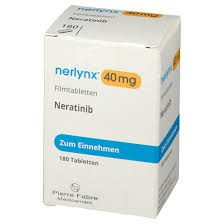
Neratinib/Neratinib (Neratinib) is an irreversible pan-HER receptor tyrosine kinase inhibitor, mainly used for adjuvant and extended treatment of HER2-positive breast cancer. The drug can clinically significantly reduce the disease recurrence rate, but may cause a series of manageable adverse reactions during treatment. Patients need to closely monitor their physical reactions during medication, especially diarrhea, liver function damage, and embryo-fetal toxicity. The following are common risks and key points for management during medication.
1. Diarrhea reaction and prevention management
Diarrhea is one of the most common side effects of neratinib treatment that affects compliance. Most patients experience diarrhea in the early stages of medication (especially in the first month). If not treated in time, it may lead to dehydration, electrolyte imbalance, hypotension and even renal damage. Research shows that drug-induced diarrhea usually occurs early, and some patients develop obvious symptoms about a week after treatment.
In order to reduce the incidence of diarrhea, international guidelines generally recommend starting antidiarrheal prophylaxis when taking the first dose of neratinib. Loperamide is the most commonly used preventive drug. It is recommended to continue using it for at least 8 weeks, and then adjust the dose to 1 to 2 times a day according to the frequency of bowel movements, and avoid exceeding 16mg/day. If diarrhea persists or worsens, fluids and electrolytes should be replenished in time, and neratinib treatment should be suspended if necessary. For complicated diarrhea associated with fever, neutropenia, or dehydration, further fecal pathogenic testing should be performed to exclude infectious causes. The doctor will gradually resume medication according to the recovery of the condition, and appropriately adjust the dosage in subsequent courses of treatment to balance efficacy and tolerability.
2. Liver function damage and monitoring measures
Another important safety concern with neratinib is hepatotoxicity. Drugs can cause an increase in liver enzymes, manifested as an increase in ALT and AST levels, and some patients may even experience an increase in bilirubin. Although most cases are mild to moderate and reversible changes, drug-induced liver injury may still occur if not monitored in time. In clinical observation, a small number of patients had to interrupt or stop treatment due to significant elevation of liver enzymes.
To ensure medication safety, it is recommended that patients undergo baseline liver function assessment before starting neratinib treatment, includingALT, AST, alkaline phosphatase and total bilirubin. Monitoring should be done once a month in the early stage of treatment, and then reviewed every three months based on clinical conditions after three consecutive months. If symptoms such as fatigue, loss of appetite, nausea, right upper quadrant pain, or jaundice occur, you should review your liver function immediately and consult a doctor. For patients who develop moderate to severe hepatic impairment, the medication should be suspended and the possibility of dose reduction or alternative regimen evaluated. If necessary, supportive treatment with hepatoprotective drugs can be given to prevent further deterioration of liver function.
3. Embryo-Fetal toxicity and reproductive safety
The mechanism of action of neratinib suggests that it may affect cell differentiation and tissue development, and therefore has potential embryo-fetal toxicity. Animal studies have found that neratinib use during pregnancy may cause embryonic death or developmental abnormalities, suggesting that the drug has clear risks to the fetus. Therefore, women of childbearing potential must undergo a pregnancy test before starting treatment and use effective contraceptive measures during the entire course of treatment and for at least one month after discontinuation of treatment.
Women who plan to become pregnant or are breastfeeding should inform their doctor in advance, and the doctor will decide whether to delay treatment after assessing the risks and benefits. If you become pregnant unexpectedly while taking this medication, you should report it to your doctor as soon as possible and conduct an individualized risk assessment. Although the risk of drug transmission through semen is low for male patients, it is still recommended to use contraception during treatment to ensure safety.
Reference materials:https://en.wikipedia.org/wiki/Neratinib
[ 免责声明 ] 本页面内容来自公开渠道(如FDA官网、Drugs官网、原研药厂官网等),仅供持有医疗专业资质的人员用于医学药学研究参考,不构成任何治疗建议或药品推荐。所涉药品可能未在中国大陆获批上市,不适用于中国境内销售和使用。如需治疗,请咨询正规医疗机构。本站不提供药品销售或代购服务。


