
.jpeg)
What important information is contained in the detailed instructions for Bedaquiline/Snare tablets?
1. Drug name and basic information
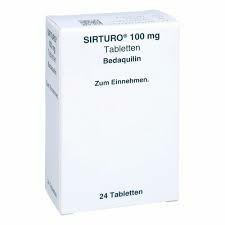
Bedaquiline(Bedaquiline) is a new anti-tuberculosis drug developed by Janssen. It belongs to the diarylquinoline compounds. Its unique molecular structure determines that its mechanism of action is completely different from traditional anti-tuberculosis drugs. The trade name is Sirturo, which is mainly used to treat multi-drug-resistant tuberculosis (MDR-TB) and Mycobacterium tuberculosis infections that are resistant to multiple first-line drugs (such as rifampicin and isoniazid). Bedaquiline is the first drug to inhibit the energy production of tuberculosis bacteria through the ATP synthase target. Since its launch, it has been considered an important breakthrough in the field of tuberculosis treatment.
2. Indications and Applicable Populations
Bedaquiline is suitable for adults and children 5 years old and above and weighing not less than 15 kilograms. It is used to treat multidrug-resistant tuberculosis. It is not used as a single drug, but needs to be combined with other anti-tuberculosis drugs to prevent the further development of drug resistance. It is usually recommended for use under the guidance of a tuberculosis specialist, especially in patients who have failed previous treatment or have established drug-resistant strains.
Bedaquiline is not recommended for patients with latent infection, drug-sensitive pulmonary tuberculosis, or non-tuberculous mycobacterial infections, as the benefits are limited and may increase the risk of side effects.
3. Mechanism of action
The core function of bedaquiline is to inhibit the C subunit of Mycobacterium tuberculosisATP synthase. ATP is the energy source required for bacterial survival, and bedaquiline blocks the energy synthesis chain, causing tuberculosis bacteria to gradually lose their metabolic ability and die. This mechanism is completely different from traditional drugs, so it still has a powerful killing effect on drug-resistant strains. Studies have shown that bedaquiline exhibits activity against most Mycobacterium tuberculosis isolates in vitro, explaining its important role in the treatment of drug-resistant tuberculosis.
4. Usage methods and dosage recommendations
Bedaquiline can be divided into two specifications:100mg and 20mg.
1. Regular dosage for adults: 400 mg once a day for the first two weeks; from week 3 to 24, it is changed to 200 mg three times a week. Depending on the condition, the treatment course can be extended under the guidance of a doctor.
2. Children’s dosage: weightPatients between 15kg and 30kg should take 200mg daily for the first two weeks, and then 100mg three times a week; patients weighing more than 30kg should use the adult dose.
3. The drug should be taken with meals to improve absorption rate. Patients who are unable to swallow can choose to take the tablets dispersed in water or mixed with soft food (such as yogurt, applesauce, etc.), or administered through a feeding tube. To ensure accurate dosing, take the mixture immediately and wash away any remaining solution with a small amount of drink.
5. Medication precautions and storage conditions
Bedaquiline should be stored in the original sealed container, kept dry and away from direct sunlight. The desiccant in the container must not be removed. The ideal storage temperature is around 25℃, which can fluctuate between 15℃ and 30℃ for short periods of time.
During medication, doctors usually recommend regular liver function monitoring and electrocardiogram examinations in order to promptly detect adverse reactions such as prolonged QT interval or elevated liver enzymes.
6. Side effects and risk warnings
The adverse reactions of bedaquiline are mostly related to heart and liver function.
1. The most common ones include electrocardiogramQT interval prolongation, nausea, vomiting, dizziness, joint pain and elevated transaminases
2. A few patients will experience symptoms of fatigue or palpitations. Adverse effects in adolescents are similar to those in adults, while about one-third of children experience mild changes in liver function. If you have persistent nausea, jaundice or irregular heartbeat, seek medical attention promptly.
3. It is worth noting that bedaquiline may interact with other drugs that prolong the QT interval, such as fluoroquinolones, clofazimine, etc., so the drug combination needs to be carefully evaluated.
7. Response to excessive use
There is currently no specific antidote for bedaquiline overdose. If taken by mistake or the dose is too high, vital signs and electrocardiogram should be monitored immediately, and symptomatic and supportive treatment should be provided. Because the drug is highly bound to plasma proteins, dialysis cannot effectively remove the drug. Doctors can take measures such as cardiac monitoring and liver function support based on clinical manifestations, and contact the local poison control center for guidance.
8. Contraindications and caution in use
The following people should avoid using bedaquiline:
Those who are allergic to drug ingredients;
Those infected with non-tuberculous mycobacteria or latent tuberculosis;
Those with severe arrhythmia and liver failure.
In addition, the safety for pregnant and lactating women has not yet been fully clarified, and the risks and benefits should be fully assessed by a doctor before use.
9. Clinical significance and global application prospects
The emergence of bedaquiline is considered a milestone in the history of tuberculosis treatment. Since being approved by the US FDA in 2012, it has been included in multiple international tuberculosis treatment guidelines to address the global challenge of drug-resistant tuberculosis. The World Health Organization (WHO) has included it in the list of essential drugs and recommends its priority use in multidrug-resistant tuberculosis programs. With the launch of generic versions in India, Laos and other countries, drug accessibility has significantly improved, bringing new treatment hope to patients in developing countries.
Reference materials:https://en.wikipedia.org/wiki/Bedaquiline
[ 免责声明 ] 本页面内容来自公开渠道(如FDA官网、Drugs官网、原研药厂官网等),仅供持有医疗专业资质的人员用于医学药学研究参考,不构成任何治疗建议或药品推荐。所涉药品可能未在中国大陆获批上市,不适用于中国境内销售和使用。如需治疗,请咨询正规医疗机构。本站不提供药品销售或代购服务。


