
.jpeg)
What are the possible side effects of Obeticholic acid?
Obeticholic acid (Obeticholic acid), as an FXR receptor agonist, mainly improves liver function by regulating bile acid metabolism, but it may also cause certain side effects during treatment. According to overseas experience, the most common side effect is skin itching. Many patients may experience mild to moderate itching within a few weeks after taking the drug, which is related to the drug's regulation of bile acid circulation and can generally be relieved by adjusting the dose or combining it with antihistamine drugs.
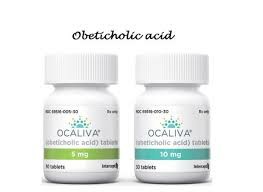
In addition, some patients may experience fatigue, abdominal discomfort, or mild jaundice, which are usually temporary. During long-term treatment, individual patients may experience fluctuations in liver function indicators, such as increases in ALT and AST. Therefore, doctors will regularly monitor liver function when using obeticholic acid to ensure the safety of treatment. For patients with cirrhosis or impaired liver function, improper use or excessive dosage may increase the risk of severe hepatotoxicity, so physician guidance should be strictly followed.
A few patients also reported metabolic adverse reactions such as high cholesterol or elevated triglycerides, which are related to the mechanism of action of FXR agonists in the regulation of lipid metabolism. To reduce the risk, doctors may recommend that patients cooperate with dietary management or use lipid-lowering drugs. It is worth noting that when obeticholic acid is used simultaneously with other drugs such as bile acid-binding resins, oral contraceptives, etc., drug interactions may occur, and a reasonable interval between doses is required.
In general, most of the adverse reactions of obeticholic acid are controllable and reversible. The key to clinical application lies in accurate patient selection, individualized dose adjustment, and dynamic monitoring. For eligible patients with primary biliary cholangitis, the therapeutic benefits of obeticholic acid still far outweigh its potential risks. With the advancement of the research and development of a new generation of FXR agonists, the management of side effects will become more refined in the future, providing a safer option for the treatment of chronic cholestatic liver disease.
Reference materials:https://en.wikipedia.org/wiki/Obeticholic_acid
[ 免责声明 ] 本页面内容来自公开渠道(如FDA官网、Drugs官网、原研药厂官网等),仅供持有医疗专业资质的人员用于医学药学研究参考,不构成任何治疗建议或药品推荐。所涉药品可能未在中国大陆获批上市,不适用于中国境内销售和使用。如需治疗,请咨询正规医疗机构。本站不提供药品销售或代购服务。


