
.jpeg)
What are the precautions when taking Resmetirom?
Resmetirom-Rezdiffra, as a new thyroid hormone receptor beta (THR-β) selective agonist, has shown the potential to improve liver lipid deposition and liver function indicators in clinical studies of non-alcoholic steatohepatitis (NASH) and related metabolic diseases. However, during clinical application, the safety of rismetirol still needs to be focused on, especially hepatotoxicity, gallbladder-related adverse events and drug interactions with statins. Understanding these potential risks can help doctors rationally adjust treatment plans in clinical management to ensure the safety and efficacy of medication for patients.
First of all, hepatotoxicity is an adverse reaction that needs to be monitored carefully when using rismetirol. In clinical studies, some patients experienced symptoms such as elevated liver enzymes, jaundice, right upper quadrant pain, nausea, vomiting, and fatigue, which may indicate drug-related liver injury. Patients should undergo regular liver function monitoring during treatment, including indicators such as alanine aminotransferase (ALT), aspartate aminotransferase (AST), alkaline phosphatase, and total bilirubin. If significant increases or clinical symptoms occur, the drug should be discontinued immediately and observed closely. After laboratory indicators return to baseline, physicians can evaluate whether to restart rismetirol based on the patient's specific circumstances while weighing the potential treatment benefits and risks. If liver function does not recover, further investigation is needed to determine whether there is drug-induced autoimmune hepatitis or other autoimmune liver diseases to avoid severe liver damage.
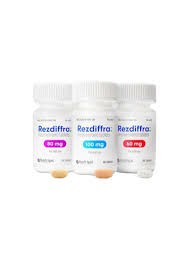
Secondly, gallbladder-related adverse reactions are also the focus of attention during the treatment of resmetiro. In clinical trials, patients receiving resmetirol were more likely to develop cholelithiasis, acute cholecystitis, and obstructive pancreatitis than those receiving placebo. If cholelithiasis is suspected, imaging examinations such as ultrasound or CT should be performed, and clinical follow-up and intervention should be performed if necessary. If an acute gallbladder event occurs, resmetirol treatment usually needs to be interrupted until symptoms are relieved or the condition is stabilized before subsequent medication can be considered. This risk suggests that clinicians should pay attention to past history of gallbladder disease when selecting patients for indications, and closely monitor related symptoms and signs during treatment.
In addition, drug interactions may occur when resmetirol is used concurrently with statins. In clinical studies, the plasma concentrations of atorvastatin, pravastatin, rosuvastatin and simvastatin may increase, thereby increasing the risk of related adverse reactions, such as increased liver enzymes, myopathy or rhabdomyolysis. In view of this situation, it is clinically recommended that patients taking statins should adjust the dosage appropriately while using rismetirol, and regularly monitor liver function and muscle-related indicators to minimize adverse events caused by drug interactions.
Overall, resmetirol has clinical application value in improving fatty liver and liver function, but its potential risks cannot be ignored. Hepatotoxicity, gallbladder-related events, and interactions with statins require close clinical monitoring.
Proper laboratory monitoring, timely dose adjustment, and comprehensive assessment of individual patient conditions are the keys to ensuring the safe and effective use of resmetirol. Through standardized management and risk control, rismetirol can provide new treatment options for patients with non-alcoholic steatohepatitis and related metabolic diseases, while maximizing patient medication safety and treatment experience.
Reference materials:https://www.drugs.com/monograph/resmetirom.html
[ 免责声明 ] 本页面内容来自公开渠道(如FDA官网、Drugs官网、原研药厂官网等),仅供持有医疗专业资质的人员用于医学药学研究参考,不构成任何治疗建议或药品推荐。所涉药品可能未在中国大陆获批上市,不适用于中国境内销售和使用。如需治疗,请咨询正规医疗机构。本站不提供药品销售或代购服务。


