
.jpeg)
Do I need to continue taking Trabectedin, and for how long?
Trabectedin is an anti-tumor drug with a unique structure, derived from marine organisms. Its mechanism interferes with the transcription and DNA repair processes of tumor cells by binding to the DNA helix, thereby inhibiting tumor cell proliferation and inducing apoptosis. In clinical practice, it is mainly used for the treatment of refractory soft tissue sarcoma, especially for patients who have previously received anthracycline-containing chemotherapy regimens and whose disease is unresectable or has metastasized. Trabectedin is not a one-time short-term medication that can achieve long-term effects. Its efficacy relies on continuous and multiple cycles of administration to maintain tumor suppression and delay disease progression.
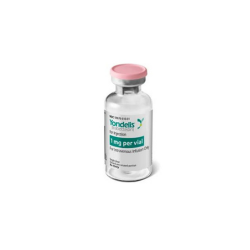
In international clinical applications, trabectedin is usually administered by intravenous infusion, and the treatment schedule is individually adjusted based on the patient's body surface area, tumor type, and tolerance. A common regimen for patients with soft tissue sarcoma is an infusion every three weeks, and each dose needs to be accurately calculated to ensure efficacy and safety. When trabectedin is used in combination with chemotherapy in patients with recurrent ovarian cancer, the dose and cycle may be adjusted based on the combination drug, but the overall principle is to achieve tumor control through continuous treatment. Overseas clinical trials have shown that continuous use of trabectedin for multiple cycles can prolong progression-free survival and maintain stable tumor shrinkage in some patients.
The length of treatment is not a fixed standard but is dynamically adjusted based on the patient’s treatment response and tolerance. If the patient shows significant tumor control response during the initial course of treatment and the side effects are controllable, doctors usually recommend continuing maintenance treatment to consolidate the efficacy and delay disease recurrence. On the contrary, if the patient experiences intolerable adverse reactions, such as severe bone marrow suppression, abnormal liver function, or persistent general discomfort, the medication regimen may be suspended or adjusted. Since trabectedin infusion needs to be carried out in professional medical institutions, blood routine, liver function and tumor imaging indicators need to be monitored regularly during treatment to ensure that patients receive continuous treatment within a safe range.
Reference materials:https://www.drugs.com/monograph/trabectedin.html
[ 免责声明 ] 本页面内容来自公开渠道(如FDA官网、Drugs官网、原研药厂官网等),仅供持有医疗专业资质的人员用于医学药学研究参考,不构成任何治疗建议或药品推荐。所涉药品可能未在中国大陆获批上市,不适用于中国境内销售和使用。如需治疗,请咨询正规医疗机构。本站不提供药品销售或代购服务。


