
.jpeg)
Besotivan (Viliru) is not suitable for users and its contraindications
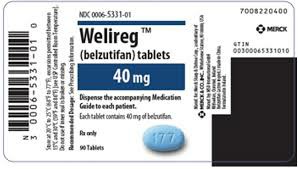
Belzutifan (Belzutifan) is a new oral small molecule drug that is a HIF-2α (hypoxia-inducible factor2α) inhibitor. It interferes with the growth and angiogenesis of tumor cells in a hypoxic environment by selectively inhibiting the transcriptional activity of HIF-2α, thereby inhibiting tumor progression. Bestifan is mainly used to treat solid tumors related to von Hippel-Lindau (VHL) disease, such as clear cell renal cell carcinoma (RCC), pancreatic neuroendocrine tumors and other VHL-related tumors. In clinical trials, besotivan has shown good efficacy and controllable safety, but its use still has certain limitations, and special attention needs to be paid to the groups who are not suitable for use and potential contraindications.
1. People who are allergic to drug ingredients
Besetivan is contraindicated in patients with known hypersensitivity to its active ingredients or excipients. Anaphylaxis may manifest as rash, itching, difficulty breathing, laryngeal edema, or severe anaphylactic shock. In these situations, use of besetifan may result in serious or life-threatening safety risks. Therefore, patients should truthfully inform their doctors about their past drug allergy history before use. If there is a suspected allergic reaction, they should stop taking the drug immediately and take corresponding treatment measures.
2. Pregnant and lactating women
Because bestivan may affect fetal development, it has obvious contraindications for pregnant and lactating women. Animal experiments and limited human data suggest that the drug may have teratogenic effects. Use during pregnancy may increase the risk of birth defects, while use during lactation may affect the health of the baby through breast milk. Therefore, pregnant women, women planning pregnancy, and lactating women are not suitable for using bestivan, and they need to take effective contraceptive measures before taking the drug, and follow the doctor's advice to evaluate the recovery after stopping the drug.
3. Patients with severe liver or renal insufficiency
Bestivan is mainly metabolized by the liver and partially excreted by the kidneys. In patients with severe liver function impairment (such as Child-Pugh C grade) or severe renal insufficiency, due to reduced drug clearance, the blood drug concentration in the body may increase significantly, increasing the risk of toxic side effects, such as anemia, fatigue, and increased blood pressure. Therefore, these patients are not suitable to use bestivan, and may need to adjust the dosage and monitor blood concentration strictly under the guidance of a professional doctor.
4. Patients with hematological abnormalities or bone marrow suppression
Bezutivan may cause anemia, thrombocytopenia, or neutropenia. For patients who already have severe bone marrow suppression, anemia or hematological diseases, the use of this drug may aggravate the condition and cause the risk of infection or bleeding. This group of people needs to undergo routine blood evaluation before taking the drug and regularly monitor blood indicators during the treatment process. Once serious hematological adverse reactions occur, the dose should be adjusted immediately or the drug should be discontinued.
5. Patients with cardiovascular disease
Bestivan may cause an increase in blood pressure and adverse effects on the cardiovascular system. In patients with pre-existing hypertension, heart failure, or other serious cardiovascular disease, the use of besettivan may increase the risk of cardiovascular events. Therefore, such patients should undergo cardiovascular evaluation before treatment, and regularly monitor blood pressure, electrocardiogram and cardiac function indicators during medication, and adjust basic drugs or treatment plans if necessary.
6. Consideration of drug interactions
Bestivan is metabolized by CYP2C19 and CYP3A4 and may interact with other drugs that affect the activity of these enzymes. For example, strong CYP3A4inhibitors may increase the plasma concentration of bestivan, increasing the risk of toxicity; while CYP3A4 inducers may reduce drug efficacy, thus affecting treatment outcomes. Therefore, patients should truthfully inform their doctors about all medications they are taking, including prescription drugs, over-the-counter drugs, and supplements, so that potential interactions can be evaluated.
To sum up, the contraindications for besotivan mainly include: those who are allergic to drug ingredients, pregnant and lactating women, patients with severe liver and kidney dysfunction, patients with hematological abnormalities or bone marrow suppression, and those with severe cardiovascular disease. The use of besetivan in these populations may carry significant, possibly life-threatening, risks. At the same time, attention should be paid to drug interactions during use and avoid simultaneous use with potent enzyme inhibitors or inducers.
Reference materials:https://www.drugs.com/
[ 免责声明 ] 本页面内容来自公开渠道(如FDA官网、Drugs官网、原研药厂官网等),仅供持有医疗专业资质的人员用于医学药学研究参考,不构成任何治疗建议或药品推荐。所涉药品可能未在中国大陆获批上市,不适用于中国境内销售和使用。如需治疗,请咨询正规医疗机构。本站不提供药品销售或代购服务。


