
.jpeg)
The half-life of axitinib (Inlida) and its impact on the dosing interval
Axitinib (Axitinib) is an oral small molecule tyrosine kinase inhibitor mainly used to treat advanced renal cell carcinoma (RCC). The half-life of the drug is about 2.5 to 6.1 hours, and it is cleared quickly from the body. This means that the drug concentration gradually reaches a peak within a few hours after taking it, and then gradually decreases, suggesting the need to maintain regular medication to maintain the blood drug concentration within the therapeutic range and ensure continued inhibition of tumor-related targets.
Due to its short half-life, axitinib is usually recommended to be taken orally twice daily with an interval of approximately 12 hours to maintain stable blood concentration. If the medication interval is too long, the blood drug concentration may drop below the effective level, thereby reducing the efficacy; if the interval is too short or excessive use, the risk of adverse reactions may increase, such as hypertension, fatigue, or proteinuria. Therefore, taking medications at regular intervals is critical for both efficacy and safety.
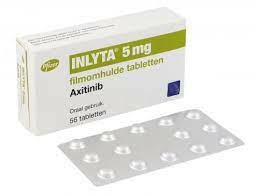
The half-life of axitinib may vary due to individual differences, liver function status, or concomitant medications. For example, the drug clearance rate in patients with hepatic insufficiency may be reduced and blood drug concentrations may be prolonged, increasing the risk of toxicity; at the same time, coadministration of strong inhibitors or inducers of CYP3A4 may also affect drug metabolism, thereby changing half-life and blood drug levels. In these cases, doctors may adjust the dosage or interval between doses to ensure efficacy while minimizing side effects.
Based on the half-life characteristics, patients should strictly abide by the twice-daily dosing rule and should not miss doses at will or adjust the interval by themselves. If a dose is missed, the dose should be taken as soon as possible, but avoid doubling the dose at one time. During the treatment process, doctors usually monitor the efficacy and safety based on blood pressure, renal function, blood routine and other indicators, and adjust the dose or interval appropriately according to the patient's tolerance. Regular medication and scientific management of blood concentration are the keys to successful axitinib treatment.
Reference materials:https://www.drugs.com/
[ 免责声明 ] 本页面内容来自公开渠道(如FDA官网、Drugs官网、原研药厂官网等),仅供持有医疗专业资质的人员用于医学药学研究参考,不构成任何治疗建议或药品推荐。所涉药品可能未在中国大陆获批上市,不适用于中国境内销售和使用。如需治疗,请咨询正规医疗机构。本站不提供药品销售或代购服务。


