
.jpeg)
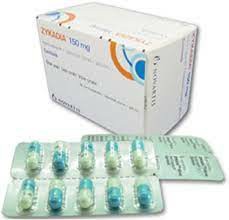
Seritinib/Ceritinib (Zanda) Medication Precautions and Safe Medication Guide
Ceritinib (Ceritinib) is an oral small moleculeALK (anaplastic lymphoma kinase) inhibitor, mainly used for treatment ALKpositive non-small cell lung cancer (NSCLC) patients are especially suitable for patients who are resistant or intolerant to crizotinib (Crizotinib). As a targeted therapy drug, ceritinib has shown good clinical efficacy, but it is still necessary to pay attention to various safety issues during its use to maximize the efficacy and reduce the risk of side effects.
1. Assessment and preparation before taking medication
Before initiating ceritinib, patients should receive a thorough evaluation. First of all, it is necessary to confirm that the patient does have an ALK positive mutation, which is a prerequisite for drug efficacy. At the same time, the patient's liver and kidney function, cardiovascular health, and previous medication history should be assessed. Ceritinib is mainly metabolized by the liver and may increase drug toxicity in patients with hepatic insufficiency. Therefore, doctors usually adjust the dose or monitor closely based on liver function indicators. At the same time, patients should inform their doctors of all prescription drugs, over-the-counter drugs, and supplements they are taking to avoid potential drug interactions.
2. Medication methods and dose management
Ceritinib is usually taken orally once daily and is recommended to be taken on an empty stomach (at least 1 hours before a meal or at least 2 hours after a meal) to ensure optimal drug absorption. Taking it with food may reduce the bioavailability of the drug and affect its efficacy. During long-term treatment, you should strictly follow your doctor's dosage instructions and never adjust the dosage or frequency on your own. If mild to moderate side effects occur, the dosage can be adjusted appropriately under the guidance of a doctor; when severe side effects occur, temporary discontinuation of the drug or reduction of the dosage should be considered, and treatment should be resumed after the symptoms are relieved.
3. Common side effects and treatment methods
Common side effects of ceritinib include gastrointestinal reactions (such as diarrhea, nausea, vomiting, abdominal pain), abnormal liver function, fatigue, loss of appetite, and rash. For gastrointestinal symptoms, patients can take small, frequent meals and a low-fat diet, combined with anti-nausea or antidiarrheal drugs. Patients with abnormal liver function need to regularly monitor liver enzyme indicators. If transaminases are found to be elevated, the dosage can be adjusted or the drug temporarily discontinued under the guidance of a doctor. Rashes and mild skin itching can be relieved with topical medications and moisturizing. Some patients may develop arrhythmia or prolongation of the QT interval. Therefore, it is recommended to conduct electrocardiogram monitoring before and during treatment, and to provide timely feedback on abnormal symptoms.
4. Guidance on missing doses and making up for missed doses
If you accidentally miss a dose of ceritinib, you should determine how to take it again based on the time until the next dose: if it is a long time until the next dose, you should take the missed dose immediately; if it is close to the next dose, skip the missed dose and take the next dose as originally planned to avoid taking a double dose at one time. Frequent missed doses may affect the efficacy, so it is recommended that patients use an alarm clock or pill box reminder to ensure that they take their medication on time.
5. Follow-up and monitoring of long-term medication
Patients taking ceritinib for a long time should establish a standardized follow-up plan. Regularly review blood routine, liver and kidney function, electrolytes and cardiac function indicators to detect drug-related toxicity in a timely manner. Imaging tests, such as CT scans, can help assess response and monitor disease progression. In addition, patients need to pay attention to changes in daily symptoms, such as worsening fatigue, obvious skin rash, or persistent gastrointestinal discomfort, and should report to the doctor in time. Through scientific follow-up and symptom recording, the risk of serious side effects can be reduced while ensuring the efficacy.
6. Individualized medication and patient education
Ceritinib treatment emphasizes individualized management. The patient's age, weight, comorbidities, and previous medication history may affect tolerability and efficacy. Patients should fully understand the effects of drugs, common side effects and countermeasures, and actively cooperate with doctors for dose adjustment and symptom management. Educating patients to rationally arrange their daily routine, diet and medication habits is the key to improving treatment compliance and long-term safety. At the same time, patients should avoid concurrent use with drugs that may affect drug metabolism, such as certain potent CYP3A4 inhibitors or inducers, to reduce the risk of adverse reactions.
Overall, ceritinib has significant efficacy in the treatment of ALK positive non-small cell lung cancer, but is accompanied by multiple potential side effects. Scientific and safe medication management includes pre-medication assessment, dose management, treatment of common side effects, missed dose recovery, and long-term follow-up monitoring. Through individualized treatment, patient education, and doctor-patient collaboration, we can maximize efficacy, reduce risks, and achieve safe and effective long-term treatment. Patients should maintain close communication with their doctors during use to ensure that every step of medication is within control.
Reference materials:https://www.drugs.com/
[ 免责声明 ] 本页面内容来自公开渠道(如FDA官网、Drugs官网、原研药厂官网等),仅供持有医疗专业资质的人员用于医学药学研究参考,不构成任何治疗建议或药品推荐。所涉药品可能未在中国大陆获批上市,不适用于中国境内销售和使用。如需治疗,请咨询正规医疗机构。本站不提供药品销售或代购服务。


