
.jpeg)
Which first-line drug is Delamanid/Delba? Drug classification and evaluation
Delamanid is classified as a second-line anti-tuberculosis drug in the tuberculosis drug system and is mainly used to treat multidrug-resistant tuberculosis (MDR-TB) and extensively drug-resistant tuberculosis (XDR-TB) that are resistant to first-line drugs (such as isoniazid and rifampin). Compared with traditional drugs, its unique mechanism gives new treatment directions. Delamanid belongs to the nitroimidazole class of antibacterial drugs. Its mechanism of action is mainly by inhibiting the synthesis of methoxychorismate in the cell wall of Mycobacterium tuberculosis, blocking the formation of the cell wall, thereby leading to the death of the bacteria. This mechanism of action is different from conventional first-line drugs, allowing it to maintain good antibacterial activity in drug-resistant strains.
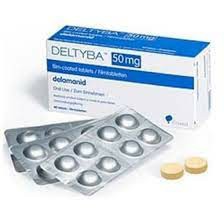
According to the latest guidelines released by the World Health Organization (WHO) in 2024, delamanid is officially listed as one of the core drugs of Group A, which means that it has a priority recommendation status in the treatment of drug-resistant tuberculosis. The establishment of this status not only reflects its effectiveness, but also stems from its relatively controllable adverse reaction characteristics. Clinical practice has shown that the combined use of delamanid, bedaquiline, and linezolid can form an efficient, fully oral, short-course treatment regimen and greatly improve patient compliance.
From the perspective of drug classification, delamanid can be regarded as an "innovative second-line drug" with a new molecular structure and new targets. It is a key substitute after the withdrawal of traditional injectable drugs (such as kanamycin). Its main advantages are oral convenience, high combination compatibility, and low cardiotoxicity. Research trends in 2025 show that delamani is also being explored for use in new areas such as childhood tuberculosis and latent tuberculosis infection, and it is expected to further expand its scope of application in the future. Overall, the introduction of delamanid has reshaped the global drug-resistant tuberculosis treatment landscape and provided key drug support to achieve the "2035 end of tuberculosis goal" proposed by the WHO.
Reference: https://go.drugbank.com/drugs/DB11637
[ 免责声明 ] 本页面内容来自公开渠道(如FDA官网、Drugs官网、原研药厂官网等),仅供持有医疗专业资质的人员用于医学药学研究参考,不构成任何治疗建议或药品推荐。所涉药品可能未在中国大陆获批上市,不适用于中国境内销售和使用。如需治疗,请咨询正规医疗机构。本站不提供药品销售或代购服务。


