
.jpeg)
What are the specific side effects of Acotiamide?
Acotiamide (Acotiamide) has been widely used in Japan and Russia since its launch. It is generally well tolerated and is considered a prokinetic drug with low side effects. Unlike traditional drugs that act on dopamine receptors or 5-HT receptors, acotiamide has a more precise target. It mainly inhibits acetylcholinesterase activity and enhances acetylcholine signals in the gastrointestinal nervous system, thereby improving gastric motility disorders. Because of this mechanism, its side effects are relatively mild, but there are still some adverse reactions that require attention.
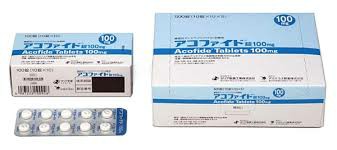
According to long-term post-marketing observation data, the most common side effects include mild diarrhea, nausea, headache, abdominal discomfort and constipation. These reactions are usually short-lived, often appear at the beginning of medication, and can gradually resolve with continued treatment. In addition, individual patients reported symptoms such as fatigue or drowsiness, which may be related to their slight impact on acetylcholine activity in the central nervous system.
It is worth noting that acotiamide has almost no effect on the electrocardiogramQT interval, which makes it safer than older prokinetic drugs such as domperidone. The adverse reaction rate is generally less than 5%, serious adverse events are extremely rare, and there are no reports of obvious liver function abnormalities or hematological abnormalities caused by the drug. In overseas guidelines, acotiamide is regarded as a drug suitable for long-term use in the treatment of functional dyspepsia.
However, there is currently insufficient data to support safe use for pregnant women, lactating women and patients with severe liver and kidney dysfunction, and should be used under the guidance of a doctor after risk assessment. In addition, if patients are combined with other central nervous system drugs, such as anxiolytics or antidepressants, attention should be paid to drug-drug interactions that may affect the regulation of gastrointestinal motility.
Overall, acotiamide has a low and controllable side effect rate, is well tolerated in clinical practice, and is a relatively safe long-term treatment option.
Reference: https://www.rad-ar.or.jp/siori/english/search/result?n=33322
[ 免责声明 ] 本页面内容来自公开渠道(如FDA官网、Drugs官网、原研药厂官网等),仅供持有医疗专业资质的人员用于医学药学研究参考,不构成任何治疗建议或药品推荐。所涉药品可能未在中国大陆获批上市,不适用于中国境内销售和使用。如需治疗,请咨询正规医疗机构。本站不提供药品销售或代购服务。


