
.jpeg)
Forstatinib/fortantinib combined with avatrombopag
Fostamatinib is an oral SYK (spleen tyrosine kinase) inhibitor used to treat patients with chronic immune thrombocytopenia (ITP), especially adult patients who have responded poorly to conventional treatments such as corticosteroids or immunoglobulins. By inhibiting SYK, fostatinib blocks antibody-mediated platelet destruction signals, thereby increasing platelet levels and reducing the risk of bleeding.
Avatrombopag (Avatrombopag) is an oral thrombopoietin receptor agonist (TPO-RA) that promotes platelet production by activating the TPO receptor of bone marrow megakaryocytes, thereby replenishing the number of platelets. The two drugs have non-overlapping mechanisms of action. Fostatinib mainly reduces platelet destruction, while avatrombopag increases platelet production, which makes combined use theoretically possible to achieve dual regulation of platelet levels.
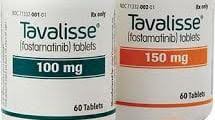
In clinical practice, for some patients with severeITP, it may be difficult for a single drug to maintain stable platelet levels, especially if there is a risk of bleeding or previous treatment has failed. The treatment strategy of fostatinib combined with avatrombopag aims to rapidly increase platelet count through the synergistic effect of two different mechanisms and maintain it within a safe range. This combination treatment needs to be individualized based on the patient's specific condition and platelet monitoring results, usually under the guidance of a specialist hematologist. Combination use can improve the management of patients with poor treatment tolerance or large platelet fluctuations, while also providing more treatment options for high-risk patients.
It should be noted that combined use may increase the risk of drug-related adverse reactions. For example, fostatinib may cause hypertension, abnormal liver function, and diarrhea, while avatropopag may cause thrombosis or abnormal liver function. Therefore, during the use of the combination regimen, blood routine, liver function and blood pressure must be regularly monitored, and the dosage must be adjusted in a timely manner to ensure efficacy and safety. For specific patients, doctors may start with monotherapy, gradually introduce combination therapy if the efficacy is evaluated to be poor, and develop a personalized dosage regimen to balance efficacy and risks.
From the perspective of drug development and clinical guidance, the application of fostatinib combined with avatrombopag is still in the exploratory stage of individualized treatment. There is currently no large amount of randomized controlled clinical data to support a standardized combination regimen. However, based on the complementary mechanisms of action of the two, this combination is considered to be a potentially feasible strategy for the management of refractory ITP patients in actual clinical practice. In the future, with the accumulation of clinical research and long-term follow-up data, it is expected that the safety, efficacy and optimal dosage regimen of combined use will be further clarified.
Overall, the combination treatment of fostatinib and avatrombopag provides an innovative idea for patients with chronic immune thrombocytopenia. Through the dual mechanism of "reduce platelet destruction + increase platelet production", it can help patients achieve more stable results in platelet level control and bleeding risk management. This strategy reflects the trend of modern hematology treatment toward precision and individualization, and also provides more feasible treatment options for patients with refractory ITP in the future.
Reference materials:https://go.drugbank.com/drugs/DB12010
[ 免责声明 ] 本页面内容来自公开渠道(如FDA官网、Drugs官网、原研药厂官网等),仅供持有医疗专业资质的人员用于医学药学研究参考,不构成任何治疗建议或药品推荐。所涉药品可能未在中国大陆获批上市,不适用于中国境内销售和使用。如需治疗,请咨询正规医疗机构。本站不提供药品销售或代购服务。


