
.jpeg)
Will taking fezolinetant affect my period?
Fezolinetant is a neurokinin 3 (NK3) receptor antagonist, primarily used to relieve moderate to severe vasomotor symptoms, such as hot flashes and night sweats, in menopausal women. Such symptoms are related to an imbalance in the hypothalamic thermoregulatory center caused by decreased estrogen levels. Fezolinetant helps rebalance the thermoregulatory system by acting on the neurokinin B (NKB) signaling pathway, thereby alleviating hot flashes, rather than treating it by changing hormone levels. Because it is not a hormonal drug, its mechanism will not directly affect the menstrual cycle, nor will it cause significant interference with endometrial or ovarian function like estrogen replacement therapy.
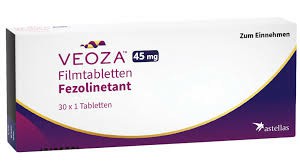
When some women still have menstrual cycles, when Fezolinetant is usedSlight cycle changes may be observed, such as earlier or later menstruation, but this is usually related to endocrine fluctuations in the body rather than a direct result of the drug. Overseas studies have pointed out that Fezolinetant does not affect the levels of estrogen and gonadotropins (FSH, LH), so it has minimal impact on ovulation and menstrual function. Compared with traditional hormone replacement therapy (HRT), the advantage of this drug is that it can effectively relieve menopausal symptoms while avoiding the breast risks or endometrial abnormalities that may be caused by hormone therapy.
For women who are still in perimenopause and whose menstruation has not completely stopped, before using Fezolinetant, they should evaluate their hormone levels and ovarian function status under the guidance of a doctor to determine whether they are in the menopausal transition stage. Overall, this drug does not cause the loss of menstruation or menstrual irregularities, nor does it cause permanent changes in the menstrual cycle. Some patients may experience improved body temperature regulation and improved sleep quality in the early stages of taking the medication, but their menstrual status remains as regular as before. Doctors often recommend recording menstrual cycles and symptom changes during treatment to assess drug response and individual differences.
Reference materials:https://www.veozah.com/
[ 免责声明 ] 本页面内容来自公开渠道(如FDA官网、Drugs官网、原研药厂官网等),仅供持有医疗专业资质的人员用于医学药学研究参考,不构成任何治疗建议或药品推荐。所涉药品可能未在中国大陆获批上市,不适用于中国境内销售和使用。如需治疗,请咨询正规医疗机构。本站不提供药品销售或代购服务。


