
.jpeg)
What is the difference between Alpelisib and Inariside?
Alpelisib(Alpelisib)-Piqray and Inavolisib are both targeted anti-cancer drugs targeting the PI3K signaling pathway. However, there are obvious differences in their pharmacological mechanism of action, selectivity, clinical indications and research and development stages. They provide personalized treatment options for patients with different types of breast cancer.
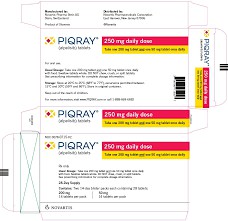
Apelix is an oral PI3Kα selective inhibitor, mainly used in HR-positive, HER2-negative advanced breast cancer and ovarian cancer patients with PIK3CA gene mutations. By inhibitingPI3Kα isoform, it can block the downstream AKT and mTOR signaling pathways, thereby slowing down tumor cell proliferation, inducing apoptosis, and may improve resistance to endocrine therapy. Apelvis is often used in combination with endocrine therapy drugs such as fulvestrant, embodying the concept of precision therapy, which is to design a personalized drug regimen based on a patient's specific genetic mutations. This combination not only enhances the anti-tumor effect, but also reduces systemic toxicity to a certain extent, making it easier for patients to tolerate during long-term treatment.
In contrast, inaliside is a new generation of oral selective PI3Kα inhibitorsIts chemical structure is different from that of apelvisd, and it shows higher targeting in selectively inhibiting PI3Kα mutants. The core concept of the research and development of inarisep is to improve the specificity of the drug against tumor cells while minimizing the inhibition of normal PI3Kα activity, thereby reducing the risk of side effects such as increased blood sugar. Clinical studies have shown that inaliset has potential efficacy in the treatment of PIK3CA mutant breast cancer and other PI3K-dependent solid tumors when used as a monotherapy or in combination with other targeted drugs. Its dosage and dosing regimen have also been optimized to improve tolerability and sustained efficacy.
In addition, there are differences in clinical research and marketing status between the two. Apeliside has been approved for marketing in many countries in Europe and the United States, mainly for PIK3CA mutated breast cancer patients, and has rich experience in clinical use; while inalise is still in the clinical trial stage, its safety and effectiveness are being further evaluated, and it has not yet been widely marketed. For patients, this means that apeliside is an accessible drug with known efficacy and risks, while inalise is an emerging drug in development that may provide a more targeted treatment option with fewer side effects in the future.
In terms of side effects, common side effects of apeliside include hyperglycemia, rash, and mild gastrointestinal reactions. Inalise is expected to reduce these adverse reactions through a more selective design, but it still needs to be verified by more clinical data. Both of them emphasize precise targeting and personalized treatment in their treatment concepts, but Apelvis prefers conventional clinical applications that are already on the market, while Inalise represents the next generationDevelopment directions of PI3Kα inhibitors.
Generally speaking, both Apelvis and Inariside are representative drugs for PI3Kα targeted therapy. However, Apeliside focuses on currently available clinical applications and manages HR-positive breast cancer through combined endocrine therapy, while Inariside emphasizes high selectivity and low toxicity potential, which may provide a more precise and safe treatment plan for PIK3CA mutated tumors in the future.
Reference materials:https://www.piqray.com/
[ 免责声明 ] 本页面内容来自公开渠道(如FDA官网、Drugs官网、原研药厂官网等),仅供持有医疗专业资质的人员用于医学药学研究参考,不构成任何治疗建议或药品推荐。所涉药品可能未在中国大陆获批上市,不适用于中国境内销售和使用。如需治疗,请咨询正规医疗机构。本站不提供药品销售或代购服务。


