
.jpeg)
How long does it take for imatinib (Gleevec) to take effect and suggestions for treatment course observation?
Imatinib (Imatinib) is a tyrosine kinase inhibitor, mainly used to treat chronic myelogenous leukemia (CML), gastrointestinal stromal tumor (GIST) and other diseases. Its onset of action varies depending on the type of disease and individual differences. Among CML patients, some people can observe improvement in hematological indicators, such as a decrease in white blood cell count, 1 to 2 weeks after taking the drug; In the treatment of solid tumors such as GIST, it usually takes 1 to 3 months to see signs of tumor shrinkage or stabilization through imaging evaluation.
In the early stages of treatment, doctors will evaluate the efficacy through routine blood monitoring, changes in spleen size, or improvement in symptoms. For CML patients, if significant hematological remission is achieved at 3 months, it is an important indicator of the effectiveness of the drug; if cytogenetic remission can be observed at 6 months, it indicates that the disease is well controlled. If the target is not reached, dose adjustment or replacement regimens need to be considered. For GIST patients, early imaging examinations can help determine the inhibitory effect of drugs on tumors.
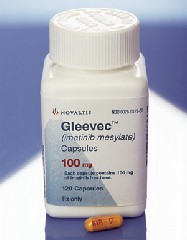
Imatinib usually needs to be taken for a long time or even lifelong, especially in CML patients, the sustainability of the efficacy depends on long-term standard treatment. Mid- and long-term treatment course observation mainly includes the detection of molecular responses, such as BCR-ABL transcript levels. Significant molecular remission is generally achieved at 12 months and is considered a key indicator of good prognosis. If the curative effect is ideal, the patient can gradually reduce the frequency of monitoring while maintaining sustained remission, but strict follow-up is still required.
Patients should maintain regular medication while taking imatinib, and should not stop medication or reduce the dose at will. If adjustments are needed due to side effects or poor efficacy, this must be done under the guidance of a doctor. At the same time, patients need to pay attention to common side effects, such as edema, nausea, rash or abnormal liver function, and seek medical treatment in time. Generally speaking, the onset of effect of imatinib usually ranges from weeks to months, but its long-term efficacy and improved prognosis depend on standardized, continuous treatment and scientific observation of the course of treatment.
Reference materials:https://www.drugs.com/
[ 免责声明 ] 本页面内容来自公开渠道(如FDA官网、Drugs官网、原研药厂官网等),仅供持有医疗专业资质的人员用于医学药学研究参考,不构成任何治疗建议或药品推荐。所涉药品可能未在中国大陆获批上市,不适用于中国境内销售和使用。如需治疗,请咨询正规医疗机构。本站不提供药品销售或代购服务。


