
.jpeg)
Analysis of the mechanism of action and clinical research progress of Bestifan (Viliru)
Belzutifan (Belzutifan) is a new type of hypoxia-inducible factor-2α (HIF-2α) inhibitor. Its research and development background is mainly based on in-depth research on the hypoxic state in the tumor microenvironment. Many solid tumors are often in a hypoxic state due to insufficient angiogenesis and rapid cell proliferation, resulting in continuous activation of the HIF pathway, promoting angiogenesis, tumor metabolic adaptation, and immune evasion. Bestifan achieves anti-tumor effects by selectively inhibiting the activity of HIF-2α and blocking its binding to related transcription factors, thereby reducing the expression of pro-angiogenic factors (such as VEGF).
HIF-2α is an important molecule for tumor cells to adapt to a hypoxic environment. Bestifan directly binds to the HIF-2α PAS-B domain, preventing its heterodimerization with the ARNT protein, ultimately rendering HIF-2α unable to drive downstream target gene transcription. This effect not only inhibits the metabolism and angiogenesis of tumor cells, but also improves the local immunosuppressive environment of the tumor, thereby improving the body's immune response to the tumor. Different from traditional tyrosine kinase inhibitors, besetifan acts on the upstream link of tumor development and has new therapeutic strategy significance.
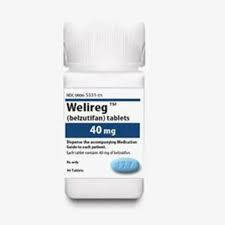
In clinical trials, besotivan has been focused on the treatment of tumors related to clear cell renal cell carcinoma (ccRCC) and von Hipper-Lindau (VHL) syndrome. Studies have shown that besotivan has significant effects on kidney tumors, retinal hemangiomas and pancreatic neuroendocrine tumors in patients with VHL. Some patients even experienced tumor shrinkage or disease stabilization. In multi-center clinical trials of advanced renal cancer, bestivan showed good response rates and tolerability. Compared with standard treatment drugs, adverse reactions were controllable, such as anemia, fatigue and hypoxia, which were more common, but the overall safety was high.
Currently, bezutivan is still being explored in multiple clinical trials to explore its application value in different tumor types, including combination treatment with immune checkpoint inhibitors or other targeted drugs. Its unique HIF-2α inhibition mechanism provides new ideas for breaking through the drug resistance of some solid tumors and improving the long-term survival of patients. With the deepening of research, besotivan is expected to become an important part of anti-tumor treatment, not only limited to VHL related diseases, but may also occupy a place in the precision treatment of various malignant tumors.
Reference materials:https://www.drugs.com/
[ 免责声明 ] 本页面内容来自公开渠道(如FDA官网、Drugs官网、原研药厂官网等),仅供持有医疗专业资质的人员用于医学药学研究参考,不构成任何治疗建议或药品推荐。所涉药品可能未在中国大陆获批上市,不适用于中国境内销售和使用。如需治疗,请咨询正规医疗机构。本站不提供药品销售或代购服务。


