
.jpeg)
Analysis of whether there will be recurrence after discontinuation of Epclusa and the persistence of its efficacy
Epclusa (Epclusa) is a direct antiviral drug (DAA), mainly used to treat chronic hepatitis C virus (HCV) infection. The drug fundamentally blocks viral replication by inhibiting the NS5A and NS5B proteins, thereby achieving a virological response (SVR) throughout the course of treatment. Generally, clinical cure can be considered achieved if a sustained virological response (SVR12, that is, HCV RNA is still undetectable12weeks after discontinuation of treatment) is achieved. Most research data shows that the cure rate of Jisandai can be as high as 95% or more, which provides a reliable guarantee for patients to get rid of hepatitis C in the long term.
Whether there will be recurrence after stopping the drug mainly depends on whether the patient follows the complete course of treatment. If a patient completes the standard course of treatment and reaches SVR12, the likelihood of viral recurrence is extremely low. However, if the patient stops taking the medication midway or the course of treatment is insufficient, the virus may not be completely eliminated, increasing the risk of relapse or even drug resistance. Therefore, doctors usually recommend that patients must insist on completing the course of treatment and not stop medication early due to short-term symptom relief.
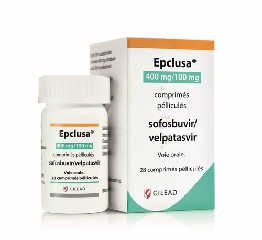
In terms of the sustainability of efficacy, the biggest advantage of Gisada is its ability to achieve long-term virological remission. The study found that most patients who achieved SVR after stopping the drug still maintained a virus-negative status even after many years of follow-up. This shows that Jisandai can not only help remove viruses from the body, but also reduce the risk of complications such as cirrhosis and liver cancer. However, for patients with cirrhosis or compromised immune function, even if hepatitis C is cured, regular follow-up is still required to detect long-term risks of liver disease in a timely manner.
To sum up, Jisandai can provide highly durable therapeutic effects after completing the course of treatment, and most patients will not relapse after stopping the treatment. But the key is to strictly follow the doctor's instructions, adhere to the full course of treatment and follow up on time. For high-risk groups or patients with complex conditions, continued management after drug withdrawal is equally important in order to truly achieve the long-term goal of "curing hepatitis C and protecting liver health."
Reference materials:https://www.drugs.com/
[ 免责声明 ] 本页面内容来自公开渠道(如FDA官网、Drugs官网、原研药厂官网等),仅供持有医疗专业资质的人员用于医学药学研究参考,不构成任何治疗建议或药品推荐。所涉药品可能未在中国大陆获批上市,不适用于中国境内销售和使用。如需治疗,请咨询正规医疗机构。本站不提供药品销售或代购服务。


