
.jpeg)
How to deal with pleural effusion caused by dasatinib/statase
Dasatinib (Dasatinib) is an oral tyrosine kinase inhibitor widely used in the treatment of chronic myelogenous leukemia (CML) and certain acute lymphoblastic leukemias (ALL). Although its efficacy is significant, pleural effusion is one of the relatively common non-hematological adverse reactions of dasatinib during clinical use. Pleural effusion usually presents with dyspnea, chest tightness, dry cough, and even fatigue and decreased exercise tolerance. The occurrence of effusion is related to the effects of drugs on vascular endothelium and immune regulation, and is especially more common in long-term high doses or in elderly patients.
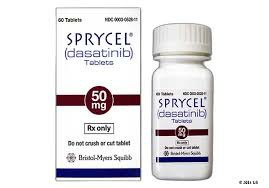
The principle of dealing with dasatinib-related pleural effusion is to focus on safety while trying not to affect the anti-leukemia efficacy of the drug. First, the patient needs to undergo rigorous clinical evaluation, including chest X-ray, CT scan, or ultrasound to confirm the extent and nature of the effusion and to exclude the possibility of infection or other cardiopulmonary disease. Patients with mild effusions and no obvious symptoms can be managed with close follow-up and dose adjustments, such as lowering the daily dose or extending the dosing interval. In some patients, temporary drug withdrawal for 1 to 2 weeks combined with diuretic treatment can effectively reduce the symptoms of effusion and restore lung function.
For patients with moderate to severe effusion, more aggressive interventions may be needed, such as thoracentesis to aspirate fluid to relieve respiratory discomfort, while laboratory and pathological analysis is performed to ensure that no infection or malignant cells are present. In addition, some clinical guidelines recommend the use of low-dose corticosteroids or short-term anti-inflammatory drugs to control the inflammatory response and thereby reduce the risk of recurrence. After the effusion is controlled, dasatinib treatment can be gradually resumed under the guidance of a doctor, and the maintenance dose can be adjusted according to the patient's tolerance. Clinical experience shows that regular monitoring of weight, blood pressure, cardiopulmonary function, and regular chest X-rays or ultrasounds can help detect early signs of fluid retention.
Reference materials:https://go.drugbank.com/drugs/DB01254
[ 免责声明 ] 本页面内容来自公开渠道(如FDA官网、Drugs官网、原研药厂官网等),仅供持有医疗专业资质的人员用于医学药学研究参考,不构成任何治疗建议或药品推荐。所涉药品可能未在中国大陆获批上市,不适用于中国境内销售和使用。如需治疗,请咨询正规医疗机构。本站不提供药品销售或代购服务。


