
.jpeg)
What does the instructions for Obeticholic acid contain?
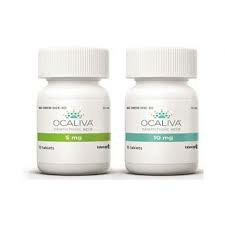
Obeticholic acid (Obeticholic acid), trade name:Ocaliva, is a highly selective farnesoid X receptor (FXR) agonist for the treatment of adults with primary biliary cholangitis (PBC). The drug was developed by Intercept Pharmaceuticals and has been approved for marketing in many countries. FXR is a key nuclear receptor in the liver and intestines. By activating the FXR pathway, obeticholic acid helps regulate bile acid metabolism, inhibit inflammatory responses, and reduce liver fibrosis, thereby improving liver function indicators and symptoms in PBC patients.
1. Indications and treatment groups
Obeeticholic acid is mainly suitable for two types of adultsPBC patients:
1. Patients without cirrhosis, or patients with compensated cirrhosis without portal hypertension.
2. Patients who have insufficient response to ursodeoxycholic acid (UDCA) or cannot tolerate UDCA can be treated with single drug or combination therapy.
Before use, doctors need to confirm whether the patient's liver function is stable. If there is decompensated cirrhosis (Child-Pugh class B or C) or portal hypertension, such as ascites, gastroesophageal varices or persistent thrombocytopenia, use is prohibited.
2. Standard usage and dosage adjustment
In the early stage of treatment, the recommended starting dose is 5 mg taken orally once a day. Adjust according to biochemical reactions after three months of continuous use. If the patient's alkaline phosphatase (ALP) or total bilirubin levels do not decrease significantly and the drug is tolerated, the dose can be increased to 10 mg once daily, which is currently the maximum recommended dose.
If the patient does not tolerate the 5 mg dose, he or she can take 5 mg on alternate days; if discomfort occurs at the 10 mg dose, the patient can return to 5 mg once a day, or the drug can be briefly discontinued before gradually resuming treatment. For patients who are temporarily unable to take oral medications, other methods of equivalent doses can be used for short-term substitution under the guidance of a doctor.
3. Key points of medication management
Obeeticholic acid can be taken with or without food. If patients take bile acid-binding resins (such as cholestyramine, etc.) at the same time, they must ensure that the interval between taking the two drugs is at least 4 hours to avoid obstruction of absorption. In addition, liver function indicators should be monitored regularly during treatment, especially during the dose adjustment period or when accompanied by fluctuations in liver function.
4. Adverse reactions and risk warnings
Clinical studies have shown that the most common adverse reaction of obeticholic acid is pruritus, which usually occurs early in treatment, and some patients will discontinue treatment as a result. Other common reactions include fatigue, abdominal discomfort, rash, dizziness, constipation, joint pain, edema, and thyroid dysfunction.
A small number of patients may develop more severe liver function abnormalities, including elevated bilirubin, worsening jaundice, or liver failure. Post-marketing reports indicate that liver-related adverse events may occur in patients with decompensated cirrhosis, even at recommended doses. Therefore, any patient who shows signs of worsening liver function should discontinue the drug immediately and receive medical evaluation.
5. Taboos and Precautions
Obeticholic acid is contraindicated in the following groups:
1. Those with decompensated cirrhosis or past decompensation events;
2. Patients with compensated cirrhosis with portal hypertension;
3. Patients with complete biliary obstruction.
For PBC patients with mild to moderate hepatic impairmentPhysicians should adjust the dose carefully and closely monitor clinical response. Pregnant and lactating patients should use it only when the potential benefits outweigh the risks.
6. Pharmacological mechanism and principle of action
Obeticholic acid regulates bile acid synthesis and excretion by activatingFXR receptor. This effect can inhibit the conversion of cholesterol into bile acids, promote bile acid efflux from hepatocytes, and inhibit inflammatory signaling pathways, thereby reducing bile acid load in hepatocytes and the progression of fibrosis. Long-term use can effectively reduce ALP and bilirubin levels in PBC patients, improve liver function, and delay disease progression.
7. Drug specifications and storage conditions
Obeeticholic acid tablets are available in 5mg and 10mg sizes and are usually packaged in high-density polyethylene bottles. Medications should be stored at room temperature between 20°C and 25°C, allowing short-term fluctuations in the range of 15°C to 30°C. Keeping it dry and protected from light will help maintain stable efficacy.
Obeeticholic acid is currently availableIt is one of the drugs with clear targets and long-term efficacy in the treatment of PBC. By activating the FXR pathway, it plays a key role in improving bile acid metabolism and reducing liver inflammation and fibrosis. Standardized dose management and liver function monitoring are the core to ensure efficacy and safety. For patients who are using or planning to use obeticholic acid, they should always take the medication under the guidance of a professional doctor. Do not increase or decrease the dose on your own or overtake it for a long time to prevent serious liver adverse reactions.
Reference materials:https://en.wikipedia.org/wiki/Obeticholic_acid
[ 免责声明 ] 本页面内容来自公开渠道(如FDA官网、Drugs官网、原研药厂官网等),仅供持有医疗专业资质的人员用于医学药学研究参考,不构成任何治疗建议或药品推荐。所涉药品可能未在中国大陆获批上市,不适用于中国境内销售和使用。如需治疗,请咨询正规医疗机构。本站不提供药品销售或代购服务。


