
.jpeg)
Why is it not recommended to use bedaquiline/snareli for a long time? Are there any risks?
Although Bedaquiline (Bedaquiline) is highly effective in the treatment of multidrug-resistant tuberculosis (MDR-TB), there are certain risks associated with long-term use alone or excessive dosage, so clinical practice is usually limited to the initial intensive phase of treatment. The main safety issue lies in the prolongation of the heartQT interval, an electrophysiological change that may lead to arrhythmia. QT interval prolongation can induce serious heart rhythm abnormalities and even be life-threatening in some patients, especially when other QT prolonging drugs are used concomitantly or if there are underlying cardiac diseases. Therefore, regular electrocardiogram monitoring is required during treatment, and the dosage or medication regimen needs to be adjusted according to the patient's specific conditions.
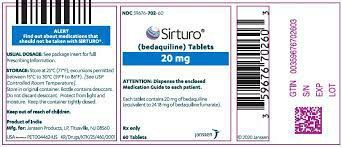
In addition, bedaquiline is mainly metabolized in the liver, and long-term use may increase the burden on the liver and cause elevated transaminases or other liver function abnormalities. Both clinical studies and post-marketing observations suggest that liver function indicators should be monitored regularly before and during treatment. If obvious liver function damage occurs, the drug should be stopped immediately or the dose should be adjusted to avoid further damage.
Patients with drug-resistant tuberculosis often require multidrug therapy, so long-term use of bedaquiline may also increase the risk of drug interactions. For example, concomitant use with certain antifungal drugs, antiarrhythmic drugs, or other second-line antituberculosis drugs may aggravate QT prolongation or liver adverse reactions. This also explains why clinical guidelines recommend that bedaquiline be used only in the first 6 months of intensive phase of treatment, while treatment is usually continued with other anti-tuberculosis drugs during the maintenance phase to reduce the risk of long-term adverse events.
In summary, bedaquiline is a revolutionary oral targeted drug in the treatment of multi-drug-resistant tuberculosis. It can significantly improve the recovery rate and reduce the risk of recurrence. However, long-term use carries the risk of cardiac and liver adverse events. Therefore, it should be used under the strict guidance of a doctor, and the treatment course design and monitoring plan should be strictly followed to ensure a balance between efficacy and safety.
Reference materials:https://en.wikipedia.org/wiki/Bedaquiline
[ 免责声明 ] 本页面内容来自公开渠道(如FDA官网、Drugs官网、原研药厂官网等),仅供持有医疗专业资质的人员用于医学药学研究参考,不构成任何治疗建议或药品推荐。所涉药品可能未在中国大陆获批上市,不适用于中国境内销售和使用。如需治疗,请咨询正规医疗机构。本站不提供药品销售或代购服务。


