
.jpeg)
Measures to be taken when the efficacy of axitinib (Inlida) deteriorates
Axitinib (Axitinib) is a small molecule tyrosine kinase inhibitor, mainly used for the treatment of advanced or metastatic clear cell renal cell carcinoma. It blocks tumor blood vessel supply by inhibiting angiogenesis-related pathways (VEGFR1-3), thereby inhibiting tumor growth. Although most patients can achieve good tumor control in the early stages of axitinib treatment, reduced efficacy or disease progression may still occur during treatment, which is generally considered to be a sign of tumor resistance or disease progression.
When a patient's efficacy deteriorates during axitinib treatment, a comprehensive evaluation should first be conducted, including imaging examinations (CT, MRI, etc.), tumor marker detection, and review of hematological and biochemical indicators. This helps clarify whether the disease is actually progressing, how quickly it is progressing, and whether there are comorbidities or drug-related issues, thereby providing a basis for subsequent treatment decisions.
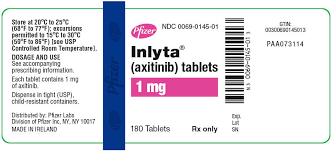
In response to the deterioration of efficacy, several clinical responses are often taken: first, the dosage can be adjusted or the dosage regimen optimized, such as maintaining or fine-tuning the dosage if the patient tolerates it well; second, for patients who have significantly progressed, it may be necessary to switch to other targeted drugs or combination treatments, such as in combination with immune checkpoint inhibitors, to enhance the anti-tumor effect; in addition, for some patients, it is also possible to consider participating in clinical trials and try new targeted drugs or combination treatments.
During the treatment process, patients also need to strengthen follow-up and life management, including regular monitoring of blood pressure, liver and kidney function, and blood routine, while maintaining good diet and living habits to reduce the impact of drug side effects on the efficacy. Patients should maintain close communication with their doctors and report changes in symptoms in a timely manner so that scientific and reasonable treatment measures can be taken when the curative effect worsens, thereby extending the disease control time and improving the quality of life.
Reference materials:https://www.drugs.com/
[ 免责声明 ] 本页面内容来自公开渠道(如FDA官网、Drugs官网、原研药厂官网等),仅供持有医疗专业资质的人员用于医学药学研究参考,不构成任何治疗建议或药品推荐。所涉药品可能未在中国大陆获批上市,不适用于中国境内销售和使用。如需治疗,请咨询正规医疗机构。本站不提供药品销售或代购服务。


