
.jpeg)
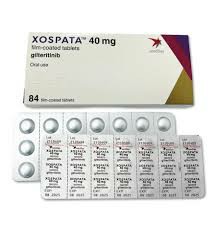
Detailed explanation of the instructions and medication precautions for giritinib (segatan)
1. Overview of Drugs
Gilteritinib (Gilteritinib) is an oral selective FLT3 inhibitor, mainly used to treat patients with relapsed or refractory acute myeloid leukemia (AML), especially patients carrying FLT3 mutations. FLT3 (FMS-like tyrosine kinase 3) mutation is one of the most common genetic abnormalities in AML and is often associated with increased disease aggressiveness and poor prognosis. Giritinib achieves anti-leukemia effects by targeting the activity of FLT3 kinase, blocking downstream signaling pathways (such as MAPK, PI3K/AKT), and inhibiting leukemia cell proliferation and inducing apoptosis.
Clinical trials show that giritinib can significantly improve the remission rate in FLT3 positive relapsed or refractory AML patients ( CR/CRi) and overall survival (OS) have become one of the important choices for AML targeted therapy. Its oral administration method facilitates long-term management of patients and provides a new treatment approach for patients who cannot tolerate chemotherapy.
2. Indications and dosage
Giritinib is suitable for patients with:
Relapsed or refractoryAML patients, especially those with positive FLT3 mutations.
Patients who are eligible for oral targeted therapy are unable to undergo high-intensity chemotherapy or bridging therapy before bone marrow transplantation.
The standard dose is 120mg, taken orally once a day, preferably at a fixed time every day to maintain stable blood concentration. Patients can take it with a meal or on an empty stomach, but if gastrointestinal discomfort occurs, they can choose to take it after a meal to alleviate adverse reactions. The dose can be adjusted based on hematological indicators and tolerance. For example, in the event of severe myelosuppression or abnormal liver function, dose reduction or temporary discontinuation should be considered.
3. Common adverse reactions and treatments
The adverse reactions of giritinib mainly include the following categories:
1.Hematological abnormalities
The most common are neutropenia, anemia, and thrombocytopenia, which may increase the risk of infection or bleeding. During treatment, blood routine should be monitored weekly or as recommended by your doctor. If severe neutropenia occurs (ANC < 0.5 ×10^9/L), the drug can be temporarily discontinued and supportive treatment can be performed, including growth factor support and anti-infective measures.
2.Cardiovascular and metabolic reactions
Some patients may develop QT prolongation, hypertension or arrhythmia, especially those with a history of cardiovascular disease. An electrocardiogram should be performed before medication, and heart rate and blood pressure should be monitored regularly during treatment. If the QT interval is significantly prolonged, the drug should be temporarily discontinued or the dose should be adjusted.
3.Gastrointestinal reactions
These include nausea, vomiting, diarrhea, and decreased appetite. Most patients can be relieved through dietary adjustments, taking small doses of medication in small doses, or symptomatic drugs. If severe symptoms persist, the need for dose adjustment should be evaluated.
4.Abnormal liver function
Giritinib may cause an increase inALT, AST and an increase in bilirubin. Liver function should be reviewed regularly during treatment. If there is an increase in the upper limit of normal by more than 3 times, the medication should be suspended and supportive treatment should be provided. After recovery, the dose can be adjusted according to tolerance.
5.Other adverse reactions
Including headache, fatigue, fever, respiratory tract infection, etc. Most of them are mild to moderate and gradually resolve as treatment adapts.
4. Medication precautions
1.Genetic testing guides medication
Giritinib is mainly targeted at FLT3positive AML patients. Therefore, FLT3 gene testing must be performed before treatment to ensure accurate targeting and avoid unnecessary adverse reactions and economic burden.
2.Monitoring and follow-up
During the period of medication, blood routine, liver and kidney function, electrocardiogram and electrolytes need to be reviewed regularly to detect abnormalities in time. For patients taking long-term medication, they should also pay attention to the risk of infection and bleeding, and maintain good living habits.
3.drug interactions
Giritinib is mainly metabolized by CYP3A4. During use, you should avoid combining it with strong CYP3A4 inhibitors or inducers to prevent abnormal increase or decrease in blood concentration. Common medications include certain antifungals, antibiotics, and antiepileptic drugs.
4.Patient education
Patients should strictly follow the doctor's instructions to take the medicine, and should not increase or decrease the dose or stop the medicine on their own, and record adverse reactions and symptom changes in a timely manner so that the doctor can adjust the treatment plan. If you have high fever, infection symptoms or severe bleeding, you should seek medical advice immediately.
Giritinib, as an oral FLT3 targeted drug, has shown good efficacy and manageable adverse reactions in the treatment of relapsed or refractory AML. Through standardized medication use, strict monitoring, reasonable dose adjustment and scientific patient education, most patients can achieve effective tumor control while minimizing the risk of adverse reactions. Standardized use of giritinib not only improves the success rate of treatment, but also provides patients with a safe, convenient, and long-term targeted treatment option.
Reference materials:https://www.drugs.com/
[ 免责声明 ] 本页面内容来自公开渠道(如FDA官网、Drugs官网、原研药厂官网等),仅供持有医疗专业资质的人员用于医学药学研究参考,不构成任何治疗建议或药品推荐。所涉药品可能未在中国大陆获批上市,不适用于中国境内销售和使用。如需治疗,请咨询正规医疗机构。本站不提供药品销售或代购服务。


