
.jpeg)
Besotivan (Vileri) complete instructions and interpretation of daily medication precautions
1. Overview of Drugs
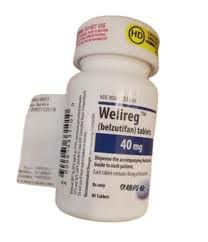
Belzutifan (Belzutifan) is an oral HIF-2α inhibitor, mainly used to treat VHL (Von Hippel-Lindau disease-related renal cell carcinoma (RCC) and related tumors. Its mechanism of action is to selectively inhibit the HIF-2α transcription factor and block the hypoxic signaling pathway of tumor cells, thereby reducing angiogenesis and tumor proliferation. The development and marketing of Bestifan provides a new targeted treatment option for patients with tumors related to VHL disease, especially for patients with unresectable or multiple lesions.
Bestivan is taken as an oral tablet and is usually recommended to be taken once daily, with or without food. The standard dose needs to be determined by the doctor based on the patient's weight, liver function status and treatment tolerance. The half-life of the drug is moderate, and it can generally maintain a stable blood concentration and is suitable for long-term continuous use. However, it is necessary to strictly follow the doctor's prescription and avoid increasing or decreasing the dose on your own or stopping the drug at will.
2. Indications and drug users
Bestifan is mainly suitable for patients diagnosed with VHL disease and accompanied by unresectable renal tumors or hemangioendothelioma. In addition, some clinical studies have shown that the drug also has certain effects on pancreatic endocrine tumors and brain and spinal cord hemangiomas related to VHL disease.
Patients who are not suitable for use include:
Pregnant and lactating women: Drugs may affect fetal development or enter the baby through milk;
Patients with severe hepatic impairment: Bestivan is mainly metabolized by the liver, and abnormal liver function may lead to accumulation of the drug in the body, increasing the risk of toxicity;
Patients with hematological abnormalities or previous myelosuppression: The drug may cause anemia or thrombocytopenia.
3. Common adverse reactions and monitoring
The adverse reactions of bestifan are mostly mild to moderate, but long-term or high-dose use may cause the following conditions:
Hematological abnormalities: anemia, neutropenia or thrombocytopenia, blood routine needs to be monitored regularly, and the dose should be adjusted in time when obvious abnormalities occur;
Fatigue and headache: These are common subjective reactions that can be relieved through rest, reasonable diet and symptomatic treatment;
Gastrointestinal reactions: such as nausea, loss of appetite, diarrhea, etc., can be relieved by taking them with meals or supplemented with antacid drugs;
Hypertension: Some patients may experience elevated blood pressure. Blood pressure should be monitored regularly and drug intervention should be performed if necessary.
During long-term medication, it is recommended that patients undergo blood routine, liver function and renal function tests every month or every two months to assess drug tolerance and potential toxicity. Patients with underlying cardiovascular disease or impaired renal function should be monitored intensively.
4. Precautions for daily medication
Take medication as directed by your doctor: avoid adjusting the dosage or stopping medication at will, so as not to affect the efficacy or increase the risk of recurrence;
Monitor blood pressure and routine blood tests: especially during the initial treatment and during dose adjustment;
Avoid co-administration with specific drugs: strongCYP3A inhibitors or inducers may affect the plasma concentration of bestifan;
Lifestyle management: Maintaining a balanced diet, adequate sleep, and moderate exercise can help reduce fatigue and improve tolerance;
Pregnancy management: Effective contraceptive measures must be taken during treatment and for a certain period of time after stopping the drug;
In addition, patients should pay attention to physical changes at any time. If they experience severe fatigue, bleeding tendency, obvious jaundice or difficulty breathing, they should contact a doctor immediately for evaluation and treatment.
Belzutifan (Belzutifan), as a HIF-2α inhibitor, provides a new treatment option for patients with VHL disease-related tumors. Rational use requires strictly following medical instructions, regularly monitoring blood and liver and kidney functions, paying attention to adverse reactions, and managing life well. Through standardized medication and scientific management, most patients can achieve effective tumor control and improved quality of life while ensuring safety.
Reference materials:https://www.drugs.com/
[ 免责声明 ] 本页面内容来自公开渠道(如FDA官网、Drugs官网、原研药厂官网等),仅供持有医疗专业资质的人员用于医学药学研究参考,不构成任何治疗建议或药品推荐。所涉药品可能未在中国大陆获批上市,不适用于中国境内销售和使用。如需治疗,请咨询正规医疗机构。本站不提供药品销售或代购服务。


