
.jpeg)
Analysis of common side effects and treatment methods of Tazetostat (Daveco)
1. Overview of Drugs
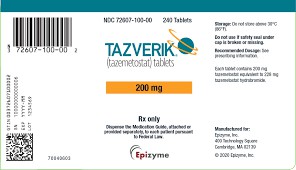
Tazemetostat (Tazemetostat) is an oral EZH2 inhibitor, mainly used to treat relapsed or refractory epithelioid sarcoma and certain EZH2 mutation-positive non-Hodgkin lymphomas. EZH2 is a member of the histone methyltransferase family, involved in epigenetic regulation and regulating cell proliferation and apoptosis. By inhibiting EZH2 activity, tazerestat can interfere with the proliferation and survival of tumor cells, thereby achieving anti-tumor effects.
Although tazerestat is highly effective, varying degrees of side effects may occur during treatment. Understanding the common types, mechanisms and treatments of drug side effects is crucial to ensuring patient safety and maintaining efficacy.
2. Hematological side effects and treatment
Common hematologic side effects of tazerestat include neutropenia, anemia, and thrombocytopenia. These adverse effects may result in an increased risk of infection, bleeding tendencies, or fatigue.
Treatment methods mainly include:
Monitor blood routine regularly: Before and during treatment, monitor blood routine every 2–4 weeks to detect abnormalities in time.
Dose adjustment: If the neutrophil count drops significantly, the drug can be temporarily stopped or the dose can be reduced, and treatment can be continued after the blood picture recovers.
Supportive treatment: For severe hematological adverse reactions, growth factors (such asG-CSF) or blood transfusion support can be used under the guidance of a doctor to reduce the risk of complications.
Through the above measures, most hematological side effects can be effectively controlled without affecting continued medication.
3. Gastrointestinal and metabolic side effects and responses
Tazerestat may also cause nausea, vomiting, diarrhea, decreased appetite, or weight loss during treatment. Some patients may have abnormal liver function, manifested as elevated levels of ALT and AST.
Response methods include:
Diet adjustment: It is recommended to eat small amounts frequently, avoid greasy and spicy foods, and maintain adequate fluid intake.
Drug intervention: If obvious nausea and vomiting occurs, anti-nausea drugs can be used under the guidance of a doctor.
Regularly monitor liver function: Liver function indicators need to be checked regularly before and during treatment, and if abnormalities are found, the dose should be adjusted in a timely manner or the drug should be temporarily discontinued.
Symptom recording and communication: Patients should record the time and severity of uncomfortable symptoms to facilitate doctors to assess drug tolerance and intervene.
Most gastrointestinal side effects can be alleviated or controlled through proper diet and medication management.
4. Other common side effects and management
Tazetostat may also cause systemic symptoms such as fatigue, hypotension, headache, and joint pain. Some patients may experience an increased risk of infection, especially if hematological markers decline.
Treatment methods include:
Lifestyle intervention: ensure adequate rest, moderate exercise and regular work and rest to relieve fatigue.
Infection protection: Pay attention to personal hygiene and avoid contact with infectious sources during the period when the blood count drops.
Symptom management: Joint pain or headache can be relieved with symptomatic medications under the guidance of a doctor.
Psychological support: Long-term medication may cause anxiety or mood swings in patients, and they should cooperate with psychological counseling or supportive treatment to improve compliance.
In general, tazemetostat (Tazemetostat), as an EZH2 targeted therapy, has significant efficacy in patients with specific tumors, but its common side effects involve hematology, gastrointestinal tract, liver function and systemic symptoms. Through regular monitoring, dose adjustment, symptomatic treatment and lifestyle intervention, most adverse reactions can be effectively controlled, thereby ensuring drug efficacy and patient safety.
During the treatment process, patients should maintain close communication with their doctors, promptly report any abnormal symptoms, and follow individualized management plans to ensure continuity of treatment and maximum efficacy. At the same time, family members and caregivers should also understand the potential side effects of drugs and countermeasures to provide comprehensive support to patients.
Reference materials:https://www.drugs.com/
[ 免责声明 ] 本页面内容来自公开渠道(如FDA官网、Drugs官网、原研药厂官网等),仅供持有医疗专业资质的人员用于医学药学研究参考,不构成任何治疗建议或药品推荐。所涉药品可能未在中国大陆获批上市,不适用于中国境内销售和使用。如需治疗,请咨询正规医疗机构。本站不提供药品销售或代购服务。


