
.jpeg)
Analysis of the efficacy of dabrafenib (Tefilla) in the treatment of lung cancer and real patient cases
1. Overview of Drugs
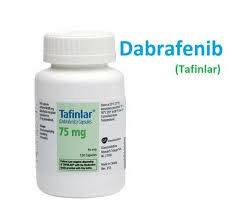
Dabrafenib (Dabrafenib) is an oral BRAF inhibitor, mainly targeting patients with BRAF V600 mutated non-small cell lung cancer (NSCLC). BRAFgene mutations can lead to abnormal activation of the MAPK signaling pathway, thereby promoting tumor cell proliferation and survival. Dabrafenib selectively inhibits the kinase activity of BRAF V600E/K mutant protein, thereby blocking tumor signal transduction and inhibiting tumor growth.
In lung cancer treatment, BRAF V600 mutations account for approximately 2%–4% of patients with non-small cell lung cancer, and are particularly common in the adenocarcinoma subtype. The introduction of dabrafenib provides these patients with targeted and highly targeted treatment options, significantly improving the problem of limited efficacy of traditional chemotherapy.
2. Clinical efficacy evaluation
Multiple clinical studies have shown that dabrafenib has clear efficacy in BRAF V600 mutated NSCLC patients. When dabrafenib is used as a single agent, the overall response rate (ORR) is approximately 30%–40%
The efficacy characteristics of dabrafenib include rapid onset of action and observable tumor shrinkage. In the early stages of treatment, patients can observe the shrinkage of lesions and significant improvement in symptoms through imaging means, such as reduced dyspnea and decreased cough frequency. For patients with advanced or metastatic disease, combined targeted therapy can significantly delay disease progression and improve quality of life.
3. Analysis of real patient cases
Take a65 male patient with non-small cell lung cancer as an example. The patient was diagnosed with adenocarcinoma and detected the BRAF V600E mutation. The patient had previously received standard chemotherapy with limited efficacy, and subsequently started treatment with dabrafenib combined with trametinib under the guidance of a doctor.
After the first month of treatment, the patient's chest CT showed that the main lesions shrank by about 30%, the symptoms were significantly improved, and dyspnea was alleviated. At three months of follow-up, the tumor further shrank, some lymph nodes regressed, and the median PFS remained at about 10 months. During the period, the patient developed mild fever and rash. After supportive treatment and dose adjustment, the symptoms were relieved and did not affect the continuation of the treatment. This case shows that dabrafenib combined with trametinib can clinically bring significant efficacy and controllable safety to patients with BRAF mutated lung cancer.
Another case is a 70 female patient, BRAF V600E positive, with brain metastasis. After dabrafenib monotherapy, imaging showed that brain metastases were stable, lung tumors shrank by about 25% and symptoms were relieved. Although complete remission was not achieved, stabilization of the disease significantly prolonged progression-free survival and improved the patient's quality of life.
4. Side effects and management
Common side effects of dabrafenib include fever, rash, fatigue, nausea, joint pain, and blood test abnormalities. When combined with trametinib treatment, side effects may increase, but through regular monitoring, symptomatic treatment and dose adjustment, most adverse reactions can be effectively controlled. For example, fever can be relieved with antipyretic and analgesic drugs, rash can be intervened with topical corticosteroids or antihistamines, and hematological abnormalities require regular blood routine review and dose adjustment.
Patients and their families need to closely observe changes in symptoms during medication, maintain communication with doctors, and conduct regular imaging examinations and laboratory monitoring to ensure sustained efficacy and reduce potential risks.
Overall, dabrafenib has a significant effect in patients with BRAF V600 mutated non-small cell lung cancer. Especially when used in combination with trametinib, it can significantly improve the response rate and prolong progression-free survival. Real patient cases show that it can quickly improve symptoms, shrink tumors and delay disease progression. Although there are certain side effects, most of them can be effectively controlled through standardized management and doctor's guidance.
For patients with advanced or recurrent BRAF mutated lung cancer, dabrafenib and its combination regimen provide highly targeted treatment options with clear efficacy and significant improvement in quality of life. It is one of the important targeted drugs in current clinical practice.
Reference materials:https://www.drugs.com/
[ 免责声明 ] 本页面内容来自公开渠道(如FDA官网、Drugs官网、原研药厂官网等),仅供持有医疗专业资质的人员用于医学药学研究参考,不构成任何治疗建议或药品推荐。所涉药品可能未在中国大陆获批上市,不适用于中国境内销售和使用。如需治疗,请咨询正规医疗机构。本站不提供药品销售或代购服务。


