
.jpeg)
What is the mechanism of action of fotantinib/fotantinib?
Fostamatinib is an oral small molecule drug with a unique immunomodulatory mechanism. Its main target is spleen tyrosine kinase (SYK). This target plays a key role in a variety of immune-mediated diseases, especially in disease processes such as platelet destruction and autoimmune hemolysis caused by abnormal immune responses. As a prodrug, fostatinib is metabolized in the body and converted into its active form R406. By inhibiting SYK signaling, it blocks the abnormal reaction chain between immune cells and antibodies, thereby rebalancing immune homeostasis.
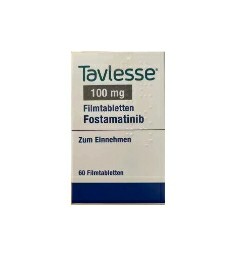
Under normal circumstances,SYK participates in the B cell receptor (BCR) and Fc receptor signaling pathways. When abnormal autoantibodies appear in the body, the SYK pathway will be overactivated, causing macrophages to engulf platelets or red blood cells, aggravating the autoimmune reaction. The research and development concept of fostatinib is to precisely intervene in this link and reduce the immune destruction of platelets by blocking the activity of the enzyme. This mechanism of action not only shows potential in **chronic immune thrombocytopenia (ITP)**, but also provides a new direction for the treatment of other immune-mediated diseases.
In addition, the mechanism of action of fostatinib has the characteristics of “upstream intervention”. Compared with traditional immunosuppressants, it does not directly suppress the entire immune system, but precisely controls specific signaling molecules, allowing the immune response to be regulated rather than completely shut down. This differentiated mechanism reduces the risk of infection and improves long-term safety. It is worth noting that overseas studies have shown that inhibition of the SYK pathway not only affects B cell function, but also inhibits inflammatory responses mediated by macrophages and dendritic cells, demonstrating its potential application value in multi-system immune diseases.
From a pharmacokinetic perspective, fostatinib is rapidly converted into R406 after oral absorption, maintaining a stable concentration in plasma, allowing the SYK inhibitory effect to continue to be exerted.
Reference materials:https://go.drugbank.com/drugs/DB12010
[ 免责声明 ] 本页面内容来自公开渠道(如FDA官网、Drugs官网、原研药厂官网等),仅供持有医疗专业资质的人员用于医学药学研究参考,不构成任何治疗建议或药品推荐。所涉药品可能未在中国大陆获批上市,不适用于中国境内销售和使用。如需治疗,请咨询正规医疗机构。本站不提供药品销售或代购服务。


