
.jpeg)
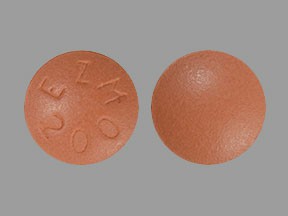
Description of drug resistance and clinical countermeasures to tazetostat (Daveco)
1. Background introduction
Tazemetostat (Tazemetostat) is a selective EZH2 inhibitor, mainly by inhibiting histone methyltransferaseEZH2 activity, blocks H3K27 trimethylation modification, thereby affecting the epigenetic regulation of tumor cells and inducing cell differentiation and apoptosis. It is currently approved for use in relapsed/refractory follicular lymphoma (FL) and epithelioid sarcoma (epithelioid sarcoma). Because of its oral administration and good tolerance, it has become an important targeted treatment option for some EZH2 mutation-related tumors. However, drug resistance problems will inevitably arise in clinical practice, affecting long-term efficacy.
2. The mechanism of resistance to tazerestat
The mechanism of resistance to tazerestat is complex, including primary resistance and acquired resistance. Current research mainly involves the following aspects:
1.EZH2Secondary mutations in the gene
Tazerestat targets the active site of the EZH2 enzyme. When tumor cells develop new EZH2 mutations during treatment, it may change the conformation of the drug-binding pocket, thereby reducing the drug-binding force and leading to acquired resistance.
2.Epigenetic compensation mechanism of tumor cells
After tazerestat inhibits H3K27me3 modification, some tumors may maintain an epigenetic silencing state by upregulating EZH1 or other methyltransferases, thereby evading immune surveillance and drug killing.
3.The role of tumor microenvironment
Tumor cells such as lymphoma and sarcoma often rely on immune cells and cytokines in the tumor microenvironment for survival. When tazerestat inhibits EZH2, tumor cells may gain a survival advantage by activating alternative signaling pathways (such as PI3K/AKT, MAPK pathways) and develop drug resistance.
4.Drug efflux pumps and metabolism-related resistance
Similar to other targeted drugs, long-term use of tazerestat may induce the overexpression of ATP binding cassette transporters (ABC transporters), causing the drug to be effluxed, resulting in a decrease in the effective intracellular concentration, thereby weakening the efficacy.
3. Clinical manifestations of drug resistance
In clinical practice, the main manifestations of tazerestat resistance are:
Disease progression: Imaging shows that tumor shrinkage has stagnated or even increased again.
Hematological abnormalities: In patients with lymphoma, cytopenias or increased tumor burden.
Clinical symptoms relapse: patients develop lymphadenopathy, B symptoms (night sweats, fever, weight loss), etc.
These suggest the need to re-evaluate efficacy and consider treatment strategies for drug resistance.
4. Clinical response measures after drug resistance
1.Combined treatment strategy
Combined with immunotherapy: EZH2 inhibitors can enhance tumor immunogenicity and reduce PD-L1 expression. Therefore, combination with PD-1/PD-L1 inhibitors may overcome some resistance.
Combination with chemotherapy drugs: In some cases, tazetostat combined with conventional chemotherapy drugs (such as alkylating agents, anthracyclines) can enhance cell apoptosis.
Combined with other epigenetic drugs: For example, combined with DNA methyltransferase inhibitors (DNMTi) and HDAC inhibitors, it can play a synergistic effect.
2.Switch to other targeted drugs
If the patient develops obvious drug resistance, other targeted drugs can be selected based on the molecular testing results of the tumor. For example, in lymphoma, if the PI3K pathway is abnormal, PI3K inhibitors may be considered.
For patients with EZH2 wild-type or mutant resistance, a broader spectrum of epigenetic regulation drugs are being explored in research.
3.Clinical trials and new drug selection
A number of clinical trials are currently exploring a new generation ofEZH2 inhibitors or EZH1/2 dual inhibitors, which are expected to solve the problem of compensatory resistance caused by simple EZH2 inhibition.
For patients with advanced disease, active participation in clinical trials may be an important way to obtain new treatments.
4.Personalized precision treatment
Through gene sequencing, proteomics and epigenetic testing, the specific molecular mechanisms of drug resistance can be clarified, and then combination regimens or drug changes can be selected in a targeted manner.
If secondaryEZH2 mutations are detected, investigational drugs acting on the new mutant conformation can be prioritized.
5.Supportive treatment and symptom management
Drug-resistant patients are often accompanied by increased tumor burden and immunosuppression, and supportive care should be strengthened, including infection prevention, hematopoietic support and nutritional intervention.
While waiting for new drugs or clinical trials, palliative care and quality of life management are equally important.
5. Future Outlook
Tazerestat, as the first EZH2 inhibitor to be marketed, has created a new situation in epigenetic therapy. However, drug resistance issues limit its long-term efficacy. Future research directions include:
Explore molecular markers of drug resistance and predict in advance which patients may develop drug resistance.
Develop a new generation of EZH2 or EZH1/2 inhibitors to improve drug coverage.
Optimize the combination medication model, such as combining with immune checkpoint inhibitors, PARP inhibitors, BCL2 inhibitors, etc., to delay or overcome drug resistance.
Precision medicine strategies dynamically monitor drug-resistant mutations and tumor evolution to adjust treatment plans in real time.
Tazerestat has shown significant efficacy in some tumors, but the occurrence of drug resistance is almost inevitable. The drug resistance mechanism involves EZH2 secondary mutations, epigenetic compensation, activation of alternative signaling pathways, and drug efflux. Clinical response measures include combination therapy, switching to other targeted drugs, participation in new drug clinical trials and individualized precision treatment. With in-depth research on the mechanisms of drug resistance, it is expected that more rational drug use strategies and the development of new generation drugs will further extend patient benefits in the future.
Reference materials:https://www.drugs.com/
[ 免责声明 ] 本页面内容来自公开渠道(如FDA官网、Drugs官网、原研药厂官网等),仅供持有医疗专业资质的人员用于医学药学研究参考,不构成任何治疗建议或药品推荐。所涉药品可能未在中国大陆获批上市,不适用于中国境内销售和使用。如需治疗,请咨询正规医疗机构。本站不提供药品销售或代购服务。


