
.jpeg)
Common adverse reactions of sunitinib (Sutent) and how to deal with them
1. Overview of sunitinib
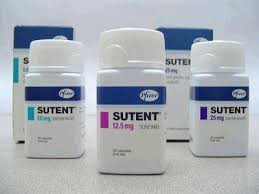
Sunitinib (Sunitinib) is an oral small molecule multi-target tyrosine kinase inhibitor (TKI), which mainly acts on VEGFR, PDGFR, c-KIT and other receptors are widely used to treat advanced renal cell carcinoma (RCC), gastrointestinal stromal tumor (GIST) and certain neuroendocrine tumors. By inhibiting tumor angiogenesis and cell proliferation, sunitinib can delay disease progression and improve patient survival. However, due to its multi-target mechanism of action, patients may experience a variety of adverse reactions (AE) during use, which require understanding in advance and taking effective countermeasures.
2. Common adverse reactions and manifestations
1.Gastrointestinal reactions: The most common include Nausea, vomiting, diarrhea, loss of appetite and stomatitis. These reactions usually occur early in treatment, but most patients can be relieved with symptomatic treatment. If gastrointestinal adverse reactions are serious, they may lead to malnutrition or weight loss. You need to inform your doctor in time and adjust the dosage or drug taking method.
2.Hematological abnormalities: Sunitinib may cause neutropenia, thrombocytopenia, anemia and other bone marrow suppression phenomena. Such reactions need to be detected in time through regular blood routine monitoring . For moderate to severe hematologic abnormalities, doctors may recommend temporary discontinuation or dose reduction along with supportive care, such as growth factor stimulators or blood transfusions.
3.Skin and mucous membrane reactions: common rashes, hand and foot skin reactions (hand-foot syndrome), hair loss, brittle nails or pigmentation, etc. This type of reaction can generally be relieved through local care and moisturizing . In case of severe rash or skin pain, the dose may need to be reduced or temporarily discontinued to avoid affecting the patient's quality of life.
4.Cardiovascular and metabolic reactions: Sunitinib can cause hypertension, edema, tachycardia, and some patients may also experience abnormal blood potassium and blood sugar. Hypertension can be controlled through antihypertensive drug management and regular blood pressure monitoring . Patients with high cardiovascular risks should have their basic cardiac function evaluated before taking medication, and if necessary, combined with cardiovascular specialist management.
5.Other adverse reactions: such as fatigue, weakness, abnormal liver function, changes in thyroid function, etc. Most can be improved through regular review, dosage adjustment and lifestyle intervention .
3. Patient response and treatment methods
1.Symptomatic treatment: When nausea, diarrhea or stomatitis occurs, anti-vomiting drugs, anti-diarrheal drugs or oral care can be used. For skin hand and foot reactions, you can use moisturizing cream, hand and foot care products, and avoid hot water immersion and friction.
2.Dose adjustment: For moderate to severe adverse reactions, doctors may consider temporarily stopping the drug, reducing the dose, or extending the dosing interval, and then resume treatment after the symptoms are relieved. Adhering to follow-up visits and hematology, liver and kidney function tests is an important step in ensuring the safety of long-term medication.
3.Lifestyle intervention: Maintaining a healthy diet, regular work and rest, and moderate exercise can enhance physical strength and tolerance. For patients with hypertension or high cardiovascular risk, blood pressure and electrocardiogram need to be closely monitored to prevent serious cardiovascular events.
4.Regular review: Bone marrow suppression, abnormal liver and kidney function, changes in blood pressure and cardiac function all require regular monitoring. Patients should promptly report any symptoms of discomfort to their doctor to avoid delays in treatment.
Sunitinib is a targeted anti-tumor drug with significant efficacy and has important clinical value in patients with advanced renal cell carcinoma, gastrointestinal stromal tumors and other patients. However, due to its multi-target mechanism of action, patients may experience adverse reactions such as gastrointestinal reactions, hematological abnormalities, skin reactions, and cardiovascular metabolism during medication. Through timely symptomatic treatment, dose adjustment, lifestyle intervention and regular review, most adverse reactions can be effectively controlled, thereby ensuring the efficacy while protecting the patient's quality of life.
In short, patients and their families need to maintain close communication with their doctors, strictly follow medication instructions, and neither stop medication at will nor ignore side effects management, in order to achieve the maximum benefit from sunitinib treatment.
Reference materials:https://www.drugs.com/
[ 免责声明 ] 本页面内容来自公开渠道(如FDA官网、Drugs官网、原研药厂官网等),仅供持有医疗专业资质的人员用于医学药学研究参考,不构成任何治疗建议或药品推荐。所涉药品可能未在中国大陆获批上市,不适用于中国境内销售和使用。如需治疗,请咨询正规医疗机构。本站不提供药品销售或代购服务。


