
.jpeg)
What about the new thyroid cancer drug Vandetanib?
Vandetanib is an innovative drug that represents a new generation of molecularly targeted anti-cancer concepts. It is specially used to treat unresectable, locally advanced or metastatic medullary thyroid cancer (MTC; thyroid cancer) in adults. Since being approved by the US FDA in April 2011, it has become the first oral targeted drug targeting the RET tyrosine kinase pathway, marking a new stage in precision treatment of thyroid cancer. Vandetanib was developed by AstraZeneca and its trade name is Caprelsa. It is a small molecule multi-target kinase inhibitor that has the dual effects of anti-angiogenesis and inhibiting tumor cell signal transduction. Its targets include RET, VEGFR, EGFR and many other pathways closely related to tumor growth. By blocking cancer cell proliferation and inhibiting the formation of new blood vessels, it can delay tumor progression and improve patients' progression-free survival.
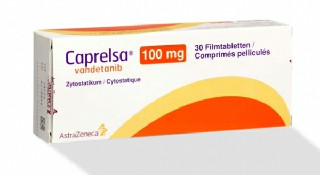
Compared with traditional chemotherapy, the therapeutic mechanism of vandetanib is more selective and precise. Traditional regimens are often accompanied by severe systemic toxic reactions, but vandetanib can reduce the systemic nature of adverse reactions to a certain extent by specifically acting on tumor signaling pathways. Especially in medullary thyroid cancer, a relatively rare cancer type, the emergence of vandetanib provides new hope for patients who lack effective treatment options. Multiple overseas clinical studies have shown that Vandetanib can significantly extend the time of disease stabilization and improve patients' quality of life. However, use of this drug still requires strict screening of people, especially patients at risk for heart rhythm problems or electrolyte imbalances.
The safety of vandetanib is also one of the focuses of clinical attention. Because this drug can cause QT interval prolongation, the patient's cardiac function needs to be evaluated by electrocardiogram before use and continued monitoring during treatment. In addition, some patients may experience controllable side effects such as diarrhea, rash, fatigue, high blood pressure, or electrolyte abnormalities. Most of these reactions are related to the inhibitory mechanisms of the drug and can be managed by adjusting the dose or suspending the drug. Physicians usually make individualized dose adjustments based on patient tolerance and efficacy response to ensure a balance between efficacy and safety.
From the global application trend, vandetanib is not only widely used in the United StatesMTC treatment, it has also been approved for marketing by the European Medicines Agency (EMA) and is used in Japan, Canada and other places. Some countries are also studying its potential for expansion into non-thyroid cancers, including non-small cell lung cancer, glioma and certain breast cancer subtypes. Currently, vandetanib is being explored as a candidate drug for combination therapy in multiple international clinical trials, in combination with immune checkpoint inhibitors or other targeted drugs in order to further improve tumor control rates.
However, the clinical application of vandetanib still faces certain limitations. On the one hand, its higher price limits its accessibility to some patients; on the other hand, its efficacy in RET-mutant medullary thyroid cancer is outstanding, but its response to patients without relevant mutations is limited. Therefore, molecular diagnosis has become an important prerequisite for treatment decision-making. With the development of precision medicine technology, determining RET mutation status through gene sequencing has become a standard clinical step, which can help doctors judge more scientifically whether Vandetanib is suitable for use.
At present, China has not officially introduced the original research version of vandetanib. As the world pays more attention to rare cancer drugs, vandetanib is expected to be approved in China at an accelerated pace in the future, bringing new treatment hope to patients with medullary thyroid cancer.
Reference materials:https://www.drugs.com/caprelsa.html
[ 免责声明 ] 本页面内容来自公开渠道(如FDA官网、Drugs官网、原研药厂官网等),仅供持有医疗专业资质的人员用于医学药学研究参考,不构成任何治疗建议或药品推荐。所涉药品可能未在中国大陆获批上市,不适用于中国境内销售和使用。如需治疗,请咨询正规医疗机构。本站不提供药品销售或代购服务。


