
.jpeg)
Why is Anamorelin not approved in China?
Anamorelin (Anamorelin) is a selective oral growth hormone secretory peptide receptor agonist (GHS-R1a agonist). It is mainly used to improve symptoms related to cancer cachexia (Cancer Cachexia), such as loss of appetite, weight loss and muscle mass loss. Although the drug has been approved and entered clinical use overseas, especially in Japan, it has not yet been approved for marketing in China. The reasons mainly involve drug regulatory standards, clinical trial data, market demand, risk assessment and other aspects.
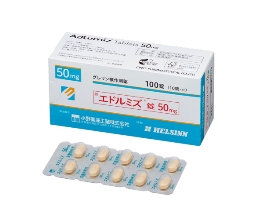
First, China’s drug regulatory authorities have strict requirements for the approval of innovative drugs, including the safety, effectiveness and applicability of the drugs to the domestic population. Most of the major clinical trials of anamorelin have been completed in Europe, the United States and Japan, and the representativeness and adaptability of its data in the Chinese population still need to be further verified. Drugs may show different pharmacokinetic characteristics, efficacy, and adverse reaction profiles in different ethnic or geographical backgrounds. Therefore, regulatory agencies usually require supplementary clinical trials in the country to ensure patient safety and reliable efficacy.
Secondly, the indications of anamorelin are mainly cachexia caused by advanced unresectable or recurrent non-small cell lung cancer, gastric cancer, pancreatic cancer and colorectal cancer. Although cancer cachexia seriously affects the quality of life of patients, its incidence and clinical management models are different between China and Europe and the United States. There are already certain mature programs in nutritional support and weight management in China, and market demand assessment and economic analysis are also important considerations for approval.
Thirdly, although anamorelin has been proven to increase appetite and improve body weight by activatingGHS-R1a receptor, its long-term safety still requires further observation. After being marketed overseas, there were reports that some patients experienced risks such as abnormal heart rate, elevated blood sugar, and water and sodium retention. During the drug approval process, Chinese regulatory authorities are particularly concerned about potential side effects, cardiovascular and metabolic risks, and need to comprehensively evaluate drug risks and benefits.
Reference materials:https://pmc.ncbi.nlm.nih.gov/articles/PMC4677053/
[ 免责声明 ] 本页面内容来自公开渠道(如FDA官网、Drugs官网、原研药厂官网等),仅供持有医疗专业资质的人员用于医学药学研究参考,不构成任何治疗建议或药品推荐。所涉药品可能未在中国大陆获批上市,不适用于中国境内销售和使用。如需治疗,请咨询正规医疗机构。本站不提供药品销售或代购服务。


