
.jpeg)
Can Bedaquiline/Snaery completely kill bacteria in half a year?
The standard treatment course for Bedaquiline is usually 24 weeks (about half a year), which is a medication cycle recommended based on clinical trials and international guidelines. In the combined treatment plan, bedaquiline can significantly inhibit the reproduction of multi-drug-resistant tuberculosis bacteria and quickly reduce the number of bacteria in the body, but its use alone for half a year cannot guarantee the complete killing of all mycobacterium tuberculosis. The main reason is that tuberculosis bacteria are in a slow-growing or dormant state. This type of bacteria is less sensitive to drugs and needs to be combined with other anti-tuberculosis drugs to be completely eliminated during long-term treatment.
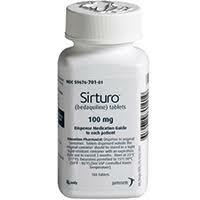
Clinical studies have shown that bedaquiline can improve the cure rate and recurrence-free survival rate of drug-resistant tuberculosis in combination regimens, but the therapeutic effect depends on the integrity of the combination drug, patient compliance behavior, and the specific sensitivity of drug-resistant strains. Even after half a year of treatment, some patients still need to continue taking other drugs to ensure long-term recurrence-free. If the drug is stopped midway or the combined course of treatment is not completed, residual strains may survive and induce secondary drug resistance. This is also an important reason for clinical emphasis on strict medication and full-course management.
Patients should maintain close communication with the medical team during medication and promptly report any discomfort or abnormal reactions so that doctors can make individualized adjustments to the treatment plan. Even if the symptoms are relieved, you cannot stop taking the drug or reduce the dose on your own, otherwise it may lead to recurrence of the condition, increased drug resistance, and treatment failure. International guidelines clearly emphasize that the treatment concept of bedaquiline is "full course use, combined medication, and strict follow-up." This is the core principle to ensure the success of multi-drug-resistant tuberculosis treatment and an important measure to avoid the spread of drug-resistant strains.
In short, combined medication, full course of treatment and regular follow-up are the keys to successful treatment. Patients should complete a complete course of treatment under the guidance of a doctor and undergo regular imaging and microbiological review to maximize the cure rate and reduce the risk of recurrence, ensuring long-term disease control and improvement in quality of life.
Reference materials:https://en.wikipedia.org/wiki/Bedaquiline
[ 免责声明 ] 本页面内容来自公开渠道(如FDA官网、Drugs官网、原研药厂官网等),仅供持有医疗专业资质的人员用于医学药学研究参考,不构成任何治疗建议或药品推荐。所涉药品可能未在中国大陆获批上市,不适用于中国境内销售和使用。如需治疗,请咨询正规医疗机构。本站不提供药品销售或代购服务。


