
.jpeg)
Precautions and safe medication guidelines for pirfenidone (Asri)
Pirfenidone is an anti-fibrotic drug widely used to treat idiopathic pulmonary fibrosis (IPF). It slows down the progression of lung tissue fibrosis by inhibiting fibrosis-related signaling pathways such as transforming growth factor-β (TGF-β) and platelet-derived growth factor (PDGF). Although pirfenidone has been confirmed by a large number of clinical studies to improve the rate of decline in lung function and prolong survival, during actual use, patients still need to pay attention to many aspects to ensure efficacy and reduce adverse reactions. The following will provide a detailed analysis from several aspects such as medication methods, monitoring requirements, lifestyle adjustments, and risk prevention.
1. Medication methods and dose escalation principles
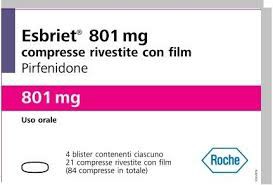
Pirfenidone is an oral drug, and its common specifications are 100mg or 200mg capsules / tablets. The full dose cannot be used directly at the beginning of treatment, but must be gradually increased:
Week 1: Usually the total daily dose is about 600mg, taken orally in 3 times.
Week 2: Gradually increase to approximately 1200mg per day.
The 3rd week and beyond: reach the maintenance dose of approximately 1800mg/day (divided 3 times, each time 600mg).
This progressive dosing method helps reduce gastrointestinal reactions and adverse reactions and improves patient tolerance to the drug. While taking the medication, it is recommended to be taken with food to reduce the risk of stomach upset and nausea. If the patient misses a dose, he should make up for it as soon as possible on the same day, but it is not recommended to take double the dose at one time to avoid increasing the incidence of side effects.
2. Common adverse reactions and monitoring requirements
The most common adverse reactions of pirfenidone include Gastrointestinal symptoms (such as nausea, vomiting, indigestion, loss of appetite), skin photosensitivity, fatigue and abnormal liver function. Therefore, during medication, patients need to pay special attention to the following monitoring measures:
1.Liver function monitoring: It is recommended to check serum alanine aminotransferase (ALT) and aspartate aminotransferase (ASTAST before medication pan>), total bilirubin and other indicators, and monitor them once a month during the first 6 months of treatment, and then every 3 months thereafter. If significant abnormalities in liver function are found, the dose needs to be adjusted or the drug discontinued.
2.Skin reaction monitoring: Pirfenidone can cause photosensitivity reactions, manifesting as skin erythema, itching or sunburn-like lesions. Patients should avoid strong ultraviolet exposure in daily life, wear sun protection hats, long-sleeved clothing, and use high-magnification sunscreen (SPF≥50) when going out.
3.Gastrointestinal tolerance observation: Some patients may experience nausea, vomiting or anorexia in the early stages of medication. The diet structure should be adjusted and small meals should be adopted. If symptoms persist, you can use antiemetics under the guidance of a doctor or consider reducing the dosage.
3. Living habits and diet management
In order to improve the efficacy and safety of pirfenidone, patients should pay attention to the following points in their daily life:
1.Avoid drinking alcohol: Alcohol will increase the burden on the liver, and may aggravate liver function damage when combined with pirfenidone, so alcohol should be strictly abstained from.
2.Limit drug interactions: Pirfenidone is mainly metabolized by the liverCYP1A2. If you use fluvoxamine, ciprofloxacin, fluoroquinolones and other CYP1A2 inhibitors at the same time, it may lead to an increase in the blood concentration of the drug and increase the risk of adverse reactions. Conversely, smoking or use of CYP1A2 inducers (such as rifampicin) may reduce drug efficacy, so patients should avoid smoking and proactively inform their doctors of all medications they are taking.
3. Nutritious diet: Maintain a balanced diet and consume more foods rich in protein and vitamins to enhance the body's resistance and relieve fatigue and loss of appetite caused by long-term treatment.
4. Special groups and medication risk tips
Not all people are suitable for using pirfenidone, and the following types of patients need special attention:
1. Patients with severely impaired liver function: If the patient is combined with severe liver disease or cirrhosis, the drug metabolism ability is reduced, which may easily lead to increased toxicity, and should be used with caution or avoided.
2.Patients with renal insufficiency: Pirfenidone is partially excreted by the kidneys. Patients with severe renal dysfunction may accumulate the drug and need to adjust the dose or avoid use.
3.Pregnant and lactating women: There is currently insufficient clinical data and the use of pirfenidone during pregnancy and lactation is not recommended unless doctors believe that the benefits outweigh the risks.
4. Elderly patients: Due to weakened metabolic capacity, the elderly are more likely to have adverse reactions and should undergo dose adjustment and close follow-up under the guidance of a doctor.
Pirfenidone, as a representative anti-fibrotic drug for idiopathic pulmonary fibrosis, brings important hope to patients in delaying the progression of the disease. However, the treatment process is often long-term and continuous. Therefore, patients must not only strictly follow the dosing principle of gradually increasing and maintaining doses, but also need to closely monitor liver function and skin reactions, and be careful to avoid drug interactions and ultraviolet exposure. At the same time, diet and living habits should be adjusted according to personal physical conditions and regular follow-up visits can maximize the efficacy of the drug and reduce risks.
For patients who are using or preparing to use pirfenidone, it is recommended to actively communicate with their doctors at each visit and never stop taking the medicine or adjust the dosage without authorization. Only by adhering to standardized treatment under professional guidance can we effectively delay the progression of the disease and improve the quality of life.
Reference materials:https://www.drugs.com/
[ 免责声明 ] 本页面内容来自公开渠道(如FDA官网、Drugs官网、原研药厂官网等),仅供持有医疗专业资质的人员用于医学药学研究参考,不构成任何治疗建议或药品推荐。所涉药品可能未在中国大陆获批上市,不适用于中国境内销售和使用。如需治疗,请咨询正规医疗机构。本站不提供药品销售或代购服务。


