
.jpeg)
What are the alternative drugs to Tazetostat (Davico) and comparative analysis of their efficacy
Tazemetostat is a selective EZH2 inhibitor, mainly used to treat relapsed or refractory follicular lymphoma, epithelioid sarcoma and other diseases. Because of its unique mechanism of action, it can prevent tumor growth by inhibiting tumor-related epigenetic regulation, so it has shown good efficacy in some patients. However, not all patients are suitable for long-term use of tazerestat, and some alternative drugs are available clinically, especially when drug resistance, insufficient efficacy, or drugs are unavailable.
In the treatment of follicular lymphoma (FL), rituximab (Rituximab) combined with chemotherapy (such as R-CHOP or R-Bendamustine) is still a widely used first-line regimen. For relapsed or refractory patients, you can also choose lenalidomide (Lenalidomide) combined with rituximab (R² regimen), BTK< span> inhibitors (such as Ibrutinib, Zanubrutinib) and CAR-T cell therapy, etc. These regimens have demonstrated higher response rates in different patient groups, and some are even better than tazerestat alone, but there are certain differences in safety and tolerability.
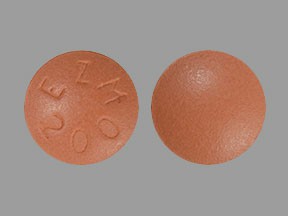
In epithelioid sarcoma (ES), tazerestat became the first approved EZH2 inhibitor due to its rarity and lack of standard treatment. Alternative drugs mainly include traditional chemotherapy drugs such as anthracyclines (Doxorubicin), ifosfamide (Ifosfamide), etc., as well as some targeted drugs or immune checkpoint inhibitors (such as PD-1/PD-L1 antibodies). Compared with chemotherapy, tazerestat is better tolerated and has relatively mild side effects. However, its objective response rate is lower than that of some immunotherapy methods. Therefore, it is often selected in clinical practice based on patient tolerance and disease stage.
Overall, tazerestat is not the only treatment option. There are many alternative drugs, including chemotherapy, immunotherapy, targeted drugs and emerging cell therapies. Different drugs have different characteristics in terms of efficacy and side effects: tazerestat is more advantageous in side effect management, while immunotherapy and combination regimens may provide stronger efficacy in some patient groups. Therefore, whether a patient chooses tazerestat or other alternative drugs needs to be combined with pathological classification, mutation status, previous medication history and physical condition, and a professional doctor will formulate an individualized plan after comprehensive evaluation.
Reference materials:https://www.drugs.com/
[ 免责声明 ] 本页面内容来自公开渠道(如FDA官网、Drugs官网、原研药厂官网等),仅供持有医疗专业资质的人员用于医学药学研究参考,不构成任何治疗建议或药品推荐。所涉药品可能未在中国大陆获批上市,不适用于中国境内销售和使用。如需治疗,请咨询正规医疗机构。本站不提供药品销售或代购服务。


