
.jpeg)
What are the common side effects of Giritinib (Segatan) and relief measures?
One of the most common side effects of giritinib is hematological abnormalities, including neutropenia, thrombocytopenia, and anemia. These symptoms may lead to an increased risk of infection, increased bleeding tendency, and decreased physical strength of the patient. Mitigation measures mainly include regular monitoring of blood routine, and dose adjustment or temporary suspension of medication when necessary; for patients with severe neutropenia, supportive treatments such as granulocyte stimulating factor (G-CSF) can be used; patients with thrombocytopenia need to avoid trauma, and blood transfusion support can be provided when necessary to reduce the risk of bleeding.
Giritinib may cause digestive system reactions such as nausea, vomiting, diarrhea, constipation and loss of appetite. Response measures include taking the medication after a meal to reduce gastrointestinal irritation, using an antiemetic drug such as ondansetron or domperidone to relieve nausea, and adjusting the dose or dividing the dose if necessary. At the same time, patients are advised to maintain a light diet, eat small amounts frequently, and replenish sufficient water and electrolytes to prevent dehydration and malnutrition.
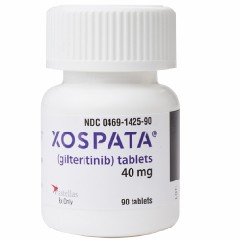
Some patients may develop cardiovascular problems such as prolonged QT interval, high blood pressure or arrhythmia while taking giritinib. At the same time, liver function damage such as elevated transaminases and abnormal bilirubin may occur. Mitigation measures include regular electrocardiogram examinations and liver function monitoring before and during treatment, and timely adjustment of dosage or suspension of medication when obvious abnormalities occur; patients with hypertension should use antihypertensive drugs and strictly monitor blood pressure; patients with abnormal liver function should avoid the combined use of hepatotoxic drugs and follow the doctor's advice for supportive treatment.
Giritinib may also cause symptoms such as fever, fatigue, headache, and muscle and joint pain. Symptoms of fever or infection need to be combined with blood and inflammatory indicators, and anti-infective treatment should be given if necessary; fatigue can be alleviated through reasonable work and rest, mild exercise and nutritional support; muscle and joint pain can be relieved with appropriate analgesics or hot compresses. Psychological support is also very important. Patients should maintain communication with the medical team and provide timely feedback on discomfort symptoms so that doctors can adjust medication strategies.
Although giritinib has significant efficacy in the treatment ofFLT3mutatedAML, its side effects cannot be ignored. Hematological abnormalities, digestive system reactions, cardiovascular and liver function problems are the main concerns, while fever, fatigue and muscle and joint pain are also common symptoms that affect the quality of life. Adverse reactions can be effectively alleviated through regular monitoring, individualized dose adjustment, drug combination and supportive treatment. Patients should closely cooperate with their doctors during medication, report physical changes in a timely manner, and follow safe medication guidelines to ensure efficacy while minimizing the risk of side effects.
Reference materials:https://www.drugs.com/
[ 免责声明 ] 本页面内容来自公开渠道(如FDA官网、Drugs官网、原研药厂官网等),仅供持有医疗专业资质的人员用于医学药学研究参考,不构成任何治疗建议或药品推荐。所涉药品可能未在中国大陆获批上市,不适用于中国境内销售和使用。如需治疗,请咨询正规医疗机构。本站不提供药品销售或代购服务。


