
.jpeg)
Matters needing attention when using ruxolitinib cream (Opzelura) and analysis of safe medication
1. Overview of drugs and applicable groups
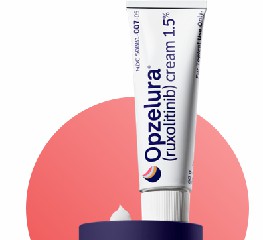
Ruxolitinib cream (Opzelura) is a topical JAK (Janus kinase) inhibitor whose main ingredient is Ruxolitinib. It is commonly used to treat skin diseases such as vitiligo and atopic dermatitis. It improves skin damage by inhibiting signaling related to inflammatory pathways, reducing immune responses and the release of inflammatory mediators. Compared with oral ruxolitinib, the cream formulation mainly acts on the local skin and has relatively low systemic absorption, thus reducing the risk of systemic side effects to a certain extent. But even so, safety and medication specifications still need to be paid attention to during use.
Applicable groups mainly include: patients with moderate to severe atopic dermatitis, or patients diagnosed with vitiligo whose local skin lesions do not respond well to traditional topical drugs (such as glucocorticoids or calcineurin inhibitors). Suitability for use of this drug should be evaluated by a professional dermatologist on an individual basis.
2. Medication precautions
1. Medication dosage and application range
Ruxolitinib cream is generally used twice daily, evenly applied to the affected skin surface. It should be noted that both the dose of a single application and the cumulative area of u200bu200bthe body should be controlled. Clinical recommendations should not exceed 20% of the body surface area to avoid increasing the risk of systemic side effects caused by drug absorption. Patients should not increase the dosage or expand the application area at will because they are eager for results.
2. Avoid use in special parts
During use, avoid applying the drug directly to mucous membrane areas such as the eyes, mouth, and nasal cavities, as well as open wounds or infections. If inadvertent contact occurs, rinse immediately with clean water to prevent adverse reactions.
3. Treatment course and monitoring
Ruxolitinib cream usually needs to be used continuously for a period of time to show obvious effects, but if there is still no improvement after several months of use, you should follow up in time to evaluate the treatment plan. Long-term or large-area use may involve the risk of systemic side effects, so some patients may need to undergo routine blood tests, liver and kidney function tests during treatment.
4. Stopping and changing medications
1. Common side effects
Some patients may experience local skin reactions at the initial stage of use, such as mild itching, burning sensation, erythema or stinging, which are generally within a tolerable range and may gradually lessen over time. If symptoms worsen significantly, medication should be suspended and a doctor should be consulted.
2. Risk of infection
Ruxolitinib cream works by suppressing immune pathways and may theoretically increase the risk of local or systemic infection, especially when used over a long period of time over a large area. Patients should avoid frequent scratching or exposure to polluted environments during treatment to reduce the chance of secondary skin infection. If signs of fever, pus, or skin infection occur, discontinue medication and seek medical attention immediately.
3. Potential systemic adverse reactions
Although the systemic absorption rate of topical drugs is low, there is still a risk of anemia, leukopenia, or abnormal liver function due to long-term use in children, the elderly, or those with frail health. Therefore, it is clinically recommended that some high-risk patients regularly review hematological indicators and liver and kidney function under the guidance of doctors.
4. Contraindications during pregnancy and lactation
Ruxolitinib may have adverse effects on the fetus or infant and should be avoided by pregnant women, women planning pregnancy, and women who are breastfeeding. If there is a real need for treatment, the doctor should make a careful decision after weighing the pros and cons.
4. Daily life coordination and patient suggestions
1.Skin care
While using ruxolitinib cream, patients should pay attention to daily skin care and avoid frequent washing or use of irritating skin care products. Keeping the skin clean and moderately moisturized can synergize with the effectiveness of medications.
2. Avoid excessive sun exposure
Some studies have shown that patients who use immunomodulatory drugs for a long time have increased skin sensitivity to ultraviolet light. Therefore, when doing outdoor activities, you should take sun protection measures to avoid direct exposure to the sun.
3. Reasonable diet and work rest
Patients should maintain a healthy diet, avoid excessive drinking, and maintain a regular schedule during treatment, which will help improve the body's immunity and reduce potential side effects.
4.Regular follow-up visits
Patients should strictly follow the doctor's instructions during treatment and have regular follow-up visits so that the doctor can adjust the medication plan according to changes in the condition. If the condition improves significantly, the medication needs to be gradually reduced or stopped under the guidance of a doctor to avoid repeated or overuse.
Ruxolitinib cream (Opzelura), as a new topical JAK inhibitor, has demonstrated good efficacy and certain safety advantages in the treatment of vitiligo and atopic dermatitis. However, during use, you still need to pay attention to dosage control, medication range, potential side effects, and life coordination. Only when used in a standardized manner under the guidance of a doctor can the efficacy of the drug be maximized, risks reduced, and the patient's long-term treatment effect and quality of life guaranteed.
Reference: https://www.drugs.com/
Ruxolitinib cream (Opzelura) is a topical JAK (Janus kinase) inhibitor whose main ingredient is Ruxolitinib. It is commonly used to treat skin diseases such as vitiligo and atopic dermatitis. It improves skin damage by inhibiting signaling related to inflammatory pathways, reducing immune responses and the release of inflammatory mediators. Compared with oral ruxolitinib, the cream formulation mainly acts on the local skin and has relatively low systemic absorption, thus reducing the risk of systemic side effects to a certain extent. But even so, safety and medication specifications still need to be paid attention to during use.
Applicable groups mainly include: patients with moderate to severe atopic dermatitis, or patients diagnosed with vitiligo whose local skin lesions do not respond well to traditional topical drugs (such as glucocorticoids or calcineurin inhibitors). Suitability for use of this drug should be evaluated by a professional dermatologist on an individual basis.
2. Medication precautions
1. Medication dosage and application range
Ruxolitinib cream is generally used twice daily, evenly applied to the affected skin surface. It should be noted that both the dose of a single application and the cumulative area of u200bu200bthe body should be controlled. Clinical recommendations should not exceed 20% of the body surface area to avoid increasing the risk of systemic side effects caused by drug absorption. Patients should not increase the dosage or expand the application area at will because they are eager for results.
2. Avoid use in special parts
During use, avoid applying the drug directly to mucous membrane areas such as the eyes, mouth, and nasal cavities, as well as open wounds or infections. If inadvertent contact occurs, rinse immediately with clean water to prevent adverse reactions.
3. Treatment course and monitoring
Ruxolitinib cream usually needs to be used continuously for a period of time to show obvious effects, but if there is still no improvement after several months of use, you should follow up in time to evaluate the treatment plan. Long-term or large-area use may involve the risk of systemic side effects, so some patients may need to undergo routine blood tests, liver and kidney function tests during treatment.
4. Stopping and changing medications
If severe rash, infection, or persistent discomfort occurs, discontinue use and seek medical attention immediately. At the same time, do not mix it with other powerful external drugs (such as hormone ointments) to avoid drug interactions.
1. Common side effects
Some patients may experience local skin reactions at the initial stage of use, such as mild itching, burning sensation, erythema or stinging, which are generally within a tolerable range and may gradually lessen over time. If symptoms worsen significantly, medication should be suspended and a doctor should be consulted.
2. Risk of infection
Ruxolitinib cream works by suppressing immune pathways and may theoretically increase the risk of local or systemic infection, especially when used over a long period of time over a large area. Patients should avoid frequent scratching or exposure to polluted environments during treatment to reduce the chance of secondary skin infection. If signs of fever, pus, or skin infection occur, discontinue medication and seek medical attention immediately.
3. Potential systemic adverse reactions
Although the systemic absorption rate of topical drugs is low, there is still a risk of anemia, leukopenia, or abnormal liver function due to long-term use in children, the elderly, or those with frail health. Therefore, it is clinically recommended that some high-risk patients regularly review hematological indicators and liver and kidney function under the guidance of doctors.
4. Contraindications during pregnancy and lactation
Ruxolitinib may have adverse effects on the fetus or infant and should be avoided by pregnant women, women planning pregnancy, and women who are breastfeeding. If there is a real need for treatment, the doctor should make a careful decision after weighing the pros and cons.
4. Daily life coordination and patient suggestions
1.Skin care
While using ruxolitinib cream, patients should pay attention to daily skin care and avoid frequent washing or use of irritating skin care products. Keeping the skin clean and moderately moisturized can synergize with the effectiveness of medications.
2. Avoid excessive sun exposure
Some studies have shown that patients who use immunomodulatory drugs for a long time have increased skin sensitivity to ultraviolet light. Therefore, when doing outdoor activities, you should take sun protection measures to avoid direct exposure to the sun.
3. Reasonable diet and work rest
Patients should maintain a healthy diet, avoid excessive drinking, and maintain a regular schedule during treatment, which will help improve the body's immunity and reduce potential side effects.
4.Regular follow-up visits
Patients should strictly follow the doctor's instructions during treatment and have regular follow-up visits so that the doctor can adjust the medication plan according to changes in the condition. If the condition improves significantly, the medication needs to be gradually reduced or stopped under the guidance of a doctor to avoid repeated or overuse.
Ruxolitinib cream (Opzelura), as a new topical JAK inhibitor, has demonstrated good efficacy and certain safety advantages in the treatment of vitiligo and atopic dermatitis. However, during use, you still need to pay attention to dosage control, medication range, potential side effects, and life coordination. Only when used in a standardized manner under the guidance of a doctor can the efficacy of the drug be maximized, risks reduced, and the patient's long-term treatment effect and quality of life guaranteed.
Reference: https://www.drugs.com/
[ 免责声明 ] 本页面内容来自公开渠道(如FDA官网、Drugs官网、原研药厂官网等),仅供持有医疗专业资质的人员用于医学药学研究参考,不构成任何治疗建议或药品推荐。所涉药品可能未在中国大陆获批上市,不适用于中国境内销售和使用。如需治疗,请咨询正规医疗机构。本站不提供药品销售或代购服务。


