
.jpeg)
Does Trabectedin cause tumor drug resistance?
Trabectedin is an anticancer drug derived from a marine natural product. It is mainly used to treat advanced or metastatic soft tissue sarcoma and certain types of ovarian cancer. It inhibits cancer cell proliferation and induces apoptosis by binding to DNA and interfering with the transcription process of tumor cells. Although trabectedin has shown good anti-cancer activity in a variety of solid tumors, like all chemotherapy drugs and targeted drugs, tumor cells may develop drug resistance under long-term exposure, which is a common challenge in anti-tumor therapy.
The mechanism of tumor drug resistance is complex, involving genetic and epigenetic changes in tumor cells themselves, as well as the regulation of drug metabolism and cell repair mechanisms. Trabectedin inhibits tumors by interfering withDNA structure and the activity of transcription factors, but tumor cells may weaken the efficacy of the drug by enhancing DNA repair capabilities, activating intracellular anti-apoptotic signaling pathways, or changing the expression of drug efflux pumps. Overseas studies have shown that tumor recurrence or disease progression in some sarcoma and ovarian cancer patients after long-term use of trabectedin suggests the possibility of drug resistance, especially among patients who have previously received multiple lines of chemotherapy or targeted therapy.
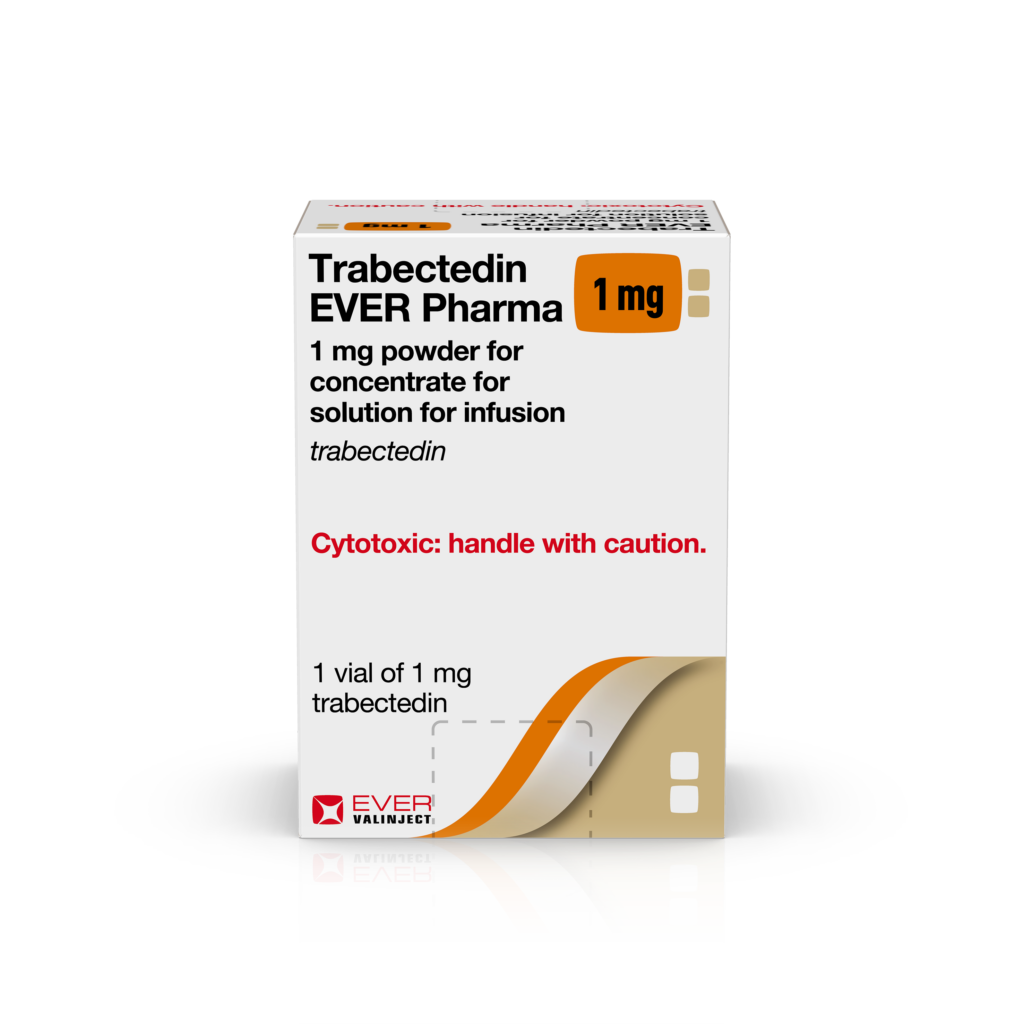
The development of drug resistance not only affects the sustained efficacy of trabectedin, but may also limit its application in combination drug regimens. Therefore, in clinical practice, doctors usually recommend formulating a reasonable medication cycle and dosage adjustment strategy based on the molecular characteristics of the tumor, previous treatment history, and drug response. Some studies are exploring the combination of trabectedin with other chemotherapy drugs, targeted drugs or immunotherapy to delay the development of drug resistance and enhance efficacy. For example, combined use with immune checkpoint inhibitors is expected to regulate the tumor microenvironment through dual mechanisms and reduce the proliferation advantage of drug-resistant cells.
In addition, the risk of drug resistance is also closely related to individual factors. The gene mutation spectrum of tumor cells, the status of the tumor microenvironment, the patient's metabolic ability and immune function may all affect the anti-tumor activity of trabectedin. Overseas clinical guidelines recommend that patients who use trabectedin for a long time should undergo regular imaging and biomarker monitoring in order to detect drug resistance trends early, adjust treatment strategies in a timely manner, and maximize the maintenance period of the efficacy.
Overall, trabectedin has a unique anti-tumor mechanism, but similar to other anti-cancer drugs, long-term use may still lead to the occurrence of tumor resistance. Through scientific medication management, combination treatment strategies and regular monitoring, the development of drug resistance can be delayed to a certain extent and the overall efficacy and survival benefit of patients can be improved. Although drug resistance cannot be completely avoided, in-depth research on the tumor microenvironment and molecular mechanisms provides an important reference and possible solution path for optimizing the use of trabectedin in the future.
Reference materials:https://www.drugs.com/monograph/trabectedin.html
[ 免责声明 ] 本页面内容来自公开渠道(如FDA官网、Drugs官网、原研药厂官网等),仅供持有医疗专业资质的人员用于医学药学研究参考,不构成任何治疗建议或药品推荐。所涉药品可能未在中国大陆获批上市,不适用于中国境内销售和使用。如需治疗,请咨询正规医疗机构。本站不提供药品销售或代购服务。


