
.jpeg)
Who should not take selegiline/midopir?
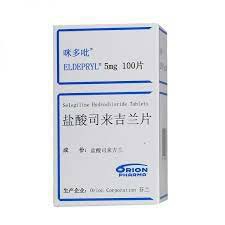
Selegiline/imidopyr(Selegiline) is a classic monoamine oxidase type B inhibitor (MAO-B inhibitor), which is commonly used to treat Parkinson's disease. It improves motor function and emotional state by inhibiting the breakdown of dopamine and increasing dopamine concentration in the central nervous system. Although selegiline has good efficacy and tolerability, not all people are suitable for use. Taking it may increase the risk of adverse reactions or cause drug interactions for some people. Therefore, understanding contraindication groups is particularly important for safe medication use.
First, people who are allergic to selegiline or any of its excipients should avoid using this drug. If these patients continue to take it, they may develop allergic reactions such as rash, laryngeal edema, difficulty breathing, etc. In severe cases, they may even be life-threatening. Secondly, patients who are taking other monoamine oxidase inhibitors (MAOIs) or selective serotonin reuptake inhibitors (SSRIs) should not take selegiline together, because it may induce severe "serotonin syndrome", manifested by high fever, muscle stiffness, mental confusion and even coma. Usually, there should be an interval of at least two weeks after stopping the relevant drugs before selegiline can be used safely.
In addition, patients with high blood pressure need to be especially cautious. Although selegiline selectively acts on MAO-B, if the dose is too high, its inhibitory effect may extend to MAO-A, thereby affecting the metabolism of epinephrine and norepinephrine and inducing a "tyramine reaction" (commonly known as the cheese reaction), which manifests as dangerous symptoms such as a sharp increase in blood pressure, headaches, and palpitations. Therefore, people with uncontrolled high blood pressure should not take it.
Patients with hepatic and renal insufficiency are also contraindicated or should be used with caution when using selegiline. Since the drug is metabolized by the liver and excreted by the kidneys, damage to organ function will prolong the half-life of the drug and increase the risk of toxic side effects. Physicians often need to adjust the dose or choose an alternative drug based on individual metabolic conditions.
Reference: https://www.drugs.com/mtm/selegiline.html
[ 免责声明 ] 本页面内容来自公开渠道(如FDA官网、Drugs官网、原研药厂官网等),仅供持有医疗专业资质的人员用于医学药学研究参考,不构成任何治疗建议或药品推荐。所涉药品可能未在中国大陆获批上市,不适用于中国境内销售和使用。如需治疗,请咨询正规医疗机构。本站不提供药品销售或代购服务。


