
.jpeg)
Is Resmetirom effective?
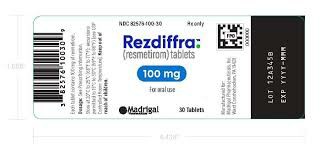
Resmetirom-Rezdiffra is an innovative oral drug that has attracted much attention in the field of liver disease in recent years and is regarded as a major breakthrough in the treatment of non-alcoholic steatohepatitis (NASH, also known as metabolic steatohepatitis, MASH). As the world's first prescription drug approved for the treatment of NASH accompanied by liver fibrosis, the development of resmetirol has brought new hope to the field of fatty liver disease, which has long lacked effective drugs. From a mechanism perspective, resmetirol is a selective thyroid hormone receptor beta (THR-β) agonist that mainly acts on the liver metabolic system. It can effectively promote lipid metabolism, reduce liver fat accumulation, and inhibit the progression of inflammation and fibrosis, thereby improving liver function.
In international multi-center clinical studies, rismetirol has shown outstanding efficacy. Based on the results of the MAESTRO-NASH Phase III clinical trial, the drug met the primary endpoints in reducing liver fibrosis and promoting NASH regression. The study found that patients treated with rismetirol showed significant reduction in inflammation and improvement in hepatocyte ballooning in histological examination, which means that liver inflammatory damage has been substantially alleviated. At the same time, resmetirol has also shown good effects in reducing liver fat content and improving liver stiffness. These indicators are important basis for measuring disease reversal in NASH patients.
In addition to improving the tissue structure of the liver, resmetirol has an equally significant regulatory effect on the metabolic system. Research data shows that the drug can reduce serum liver enzyme levels (ALT, AST, etc.) and reduce atherogenic lipids in plasma, such as low-density lipoprotein cholesterol (LDL-C) and triglycerides (TG), thereby reducing cardiovascular risk. This is of great significance for MASH patients, a high-risk group for metabolic syndrome. At the same time, some patients reported clinical benefits such as weight loss, improved energy, and reduced fatigue after treatment, suggesting that the drug not only targets liver lesions, but also has a positive impact on overall metabolic health.
It is noteworthy thatThe MAESTRO-NASH trial adopted a strict randomized, double-blind, placebo-controlled design and was conducted simultaneously in research centers in multiple countries. The results have high scientific credibility. The overseas medical community generally believes that resmetirol has filled the long-standing "drug gap" in the treatment of NASH, especially in patients with early and middle-stage liver fibrosis, showing the potential to delay disease progression and prevent the formation of cirrhosis.
From a safety perspective, resmetirol was generally well tolerated. Common adverse reactions include mild diarrhea, nausea, or mild liver enzyme elevations, which usually resolve with time or dose adjustment. In clinical applications, doctors will conduct individualized management based on the patient's liver function, metabolic status and accompanying diseases to ensure a balance between efficacy and safety.
Taken together, the therapeutic effect of resmetirol is in a leading position among current NASH treatment drugs. Its mechanism of action is clear, clinical data are reliable, and it has long-term potential benefits in improving liver structure and function. In the future, with the accumulation of more real-world studies and long-term follow-up data, resmetirol is expected to become a core drug in the treatment of non-alcoholic steatohepatitis, bringing more sustainable health improvements to millions of patients with fatty liver disease.
Reference materials:https://www.drugs.com/monograph/resmetirom.html
[ 免责声明 ] 本页面内容来自公开渠道(如FDA官网、Drugs官网、原研药厂官网等),仅供持有医疗专业资质的人员用于医学药学研究参考,不构成任何治疗建议或药品推荐。所涉药品可能未在中国大陆获批上市,不适用于中国境内销售和使用。如需治疗,请咨询正规医疗机构。本站不提供药品销售或代购服务。


