
.jpeg)
How long will it take for long-term use of imatinib (Gleevec) to develop resistance and countermeasures?
Imatinib (Imatinib) is the first generation tyrosine kinase inhibitor (TKI), mainly used In the treatment of chronic myelogenous leukemia (CML), gastrointestinal stromal tumor (GIST) and some other hematological malignancies. It inhibits the tyrosine kinase activity of BCR-ABL fusion protein and blocks abnormal signaling pathways, thereby inhibiting cancer cell proliferation and inducing apoptosis. ImatinibSince its global approval in 2001, it has significantly improved the survival prognosis of CML patients, moving them from the era of traditional chemotherapy and interferon treatment into the era of targeted therapy. However, during long-term use of Imatinib, some patients may still develop drug resistance, which is an important issue that requires urgent attention in clinical treatment.
The time to onset of drug resistance varies between individuals. Clinical data show that some CML patients may develop drug resistance 18–36 months after taking Imatinib , while some patients may remain sensitive to the drug for a longer period of time. The mechanisms of drug resistance mainly include BCR-ABL gene mutations, ABL structural changes in tyrosine kinase, abnormal drug absorption and metabolism, and cancer cells escaping inhibition through other signaling pathways. The most common one is the BCR-ABLkinase domain mutation, especially the T315I mutation. This mutation will make Imatinib unable to effectively bind to the target, resulting in a significant decrease in efficacy.
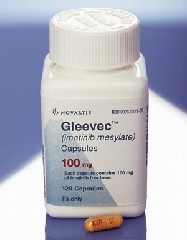
Countermeasures against drug resistance require comprehensive consideration of multiple aspects. First, molecular monitoring should be performed regularly during treatment, including hematology, cytogenetics, and molecular biology examinations to detect early signs of drug resistance. For example, CMLpatients usually undergo quantitative testing of BCR-ABL fusion genes every 3 months. When it is found that the gene copy number continues to increase or the expected molecular response level is not reached, the risk of drug resistance should be assessed in a timely manner. Secondly, in clinical practice, you can consider adjusting the dose or switching to a second or third generation TKI, such as nilotinib (Nilotinib), dasatinib (Dasatinib) or bosutinib (Ponatinib). These drugs are still effective against some Imatinib resistant mutant strains and can improve the treatment response rate and the persistence of remission. In addition, for GIST patients who develop drug resistance, combined targeted therapy or new drugs in clinical trials can be considered to delay disease progression.
Daily management of patients is also crucial. Medication compliance directly affects the efficacy and risk of drug resistance. Studies have shown that the incidence of drug resistance increases significantly in patients who do not strictly follow the doctor's instructions. Therefore, patients should strictly follow the dosage and medication time, and avoid stopping the medication on their own or adjusting the dosage without authorization. At the same time, attention should be paid to the management of adverse reactions, such as edema, gastrointestinal reactions, liver function abnormalities, etc., and tolerance should be improved through lifestyle adjustments and drug intervention to ensure the continuity of long-term treatment. Psychological support and regular follow-up can also help patients adhere to treatment and reduce the risk of drug resistance. In short, ImatinibAlthough Imatinib has long-term efficacy in most patients, drug resistance is still a problem that cannot be ignored. Through early monitoring, individualized adjustment and rational drug management, drug resistance can be effectively dealt with and the long-term survival rate and quality of life of patients can be improved.
Reference materials:https://www.drugs.com/
[ 免责声明 ] 本页面内容来自公开渠道(如FDA官网、Drugs官网、原研药厂官网等),仅供持有医疗专业资质的人员用于医学药学研究参考,不构成任何治疗建议或药品推荐。所涉药品可能未在中国大陆获批上市,不适用于中国境内销售和使用。如需治疗,请咨询正规医疗机构。本站不提供药品销售或代购服务。


