
.jpeg)
How to deal with adverse reactions of Canafenib/Encofenib (Betavir) and countermeasures
Canafenib (Encorafenib) is a targeted drug targeting BRAF V600 mutations. It is mainly used to treat melanoma, colorectal cancer and other related malignant tumors. During clinical use, although the drug can significantly inhibit the proliferation of cancer cells, patients may still experience certain adverse reactions. Therefore, understanding the types of adverse reactions and countermeasures is of great significance to ensure patient safety and optimize efficacy. This article will provide a detailed analysis from four aspects: common types of adverse reactions, severity assessment, treatment methods and daily medication management.
First of all, the most common adverse reactions of canafenib in clinical use include skin reactions, fatigue, nausea, vomiting, diarrhea, fever, etc. Skin reactions manifest as rash, itching, dryness, or hyperpigmentation, sometimes with hand-foot syndrome. Regarding the digestive system, patients may experience symptoms such as nausea, vomiting, loss of appetite, diarrhea, or constipation. In terms of hematology, some patients will experience anemia or a decrease in white blood cells. Other patients may experience systemic reactions such as joint pain, muscle pain, fever, and weight loss. Understanding the types of these common adverse reactions can help with early identification and prompt treatment, thereby reducing the risk of drug discontinuation or dose adjustment.
Secondly, for mild to moderate adverse reactions, symptomatic treatment is generally adopted. Rashes and itching can be relieved by topical moisturizing, low-concentration glucocorticoid ointments, or antihistamines; mild nausea and vomiting can be treated by eating small amounts before meals, taking antiemetic drugs, or improving living habits; diarrhea can be relieved by rehydration, use of antidiarrheal drugs, and adjusting diet. Fatigue and joint and muscle pain require moderate rest, reasonable exercise, and painkillers if necessary. For hematological abnormalities, regular blood routine monitoring is required. Once obvious anemia, white blood cell or platelet decline occurs, intervention should be carried out according to the guidance of a doctor, and drug dosage should be adjusted or medication suspended if necessary.
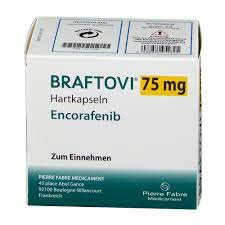
Again, for serious adverse reactions or potentially life-threatening situations, immediate action must be taken. These include severe rash with blisters or mucosal damage, severe diarrhea leading to dehydration, electrolyte imbalance, fever with increased risk of infection, significantly elevated liver function, etc. In these cases, the drug should be stopped immediately and hospitalized for observation and supportive treatment, such as intravenous rehydration, symptomatic drug intervention, liver function protection treatment, etc. In some patients, doctors may consider readjusting the dose to continue treatment after symptoms subside, while closely monitoring the patient's clinical indicators to ensure safety.
Finally, in order to reduce the incidence of adverse reactions and optimize the therapeutic effect of canafenib, daily medication management is very critical. Patients should inform their doctors in detail about their past medical history, concomitant medications and allergies before taking the medication; while taking the medication, regular blood routine, liver function, renal function and electrocardiogram monitoring should be carried out; they should pay attention to lifestyle intervention, such as a balanced diet, moderate exercise, and avoidance of severe ultraviolet radiation. At the same time, patients should master the skills of self-observation and recording adverse reactions, and report abnormal symptoms to their doctors in a timely manner. Through standardized management and timely intervention, patient medication safety can be ensured to the greatest extent and the clinical therapeutic effect of canafenib can be improved.
In summary, canafenib has various types of adverse reactions, but through early identification, symptomatic treatment, emergency intervention for severe reactions, and standardized daily medication management, patients can obtain better therapeutic effects while ensuring safety. This not only helps improve patients' quality of life, but also reduces the risk of drug discontinuation and impaired efficacy, providing more reliable protection for clinical cancer treatment.
Reference materials:https://www.drugs.com/
[ 免责声明 ] 本页面内容来自公开渠道(如FDA官网、Drugs官网、原研药厂官网等),仅供持有医疗专业资质的人员用于医学药学研究参考,不构成任何治疗建议或药品推荐。所涉药品可能未在中国大陆获批上市,不适用于中国境内销售和使用。如需治疗,请咨询正规医疗机构。本站不提供药品销售或代购服务。


