
.jpeg)
Possible side effects and safety measures of long-term use of Epclusa
Epclusa (Epclusa) is a broad-spectrum anti-hepatitis C virus (HCV) drug that is commonly used to treat patients with hepatitis C, with or without cirrhosis. Although its clinical efficacy is significant, long-term use may still cause certain side effects. Therefore, during the medication period, patients need to pay attention to possible physical reactions and take corresponding safety measures for management and prevention. The following will provide a detailed analysis from four aspects: side effect types, occurrence mechanisms, long-term monitoring and safety measures.
First of all, from the perspective of side effects, common mild to moderate adverse reactions of long-term use of Jisanda mainly include fatigue, headache, insomnia, nausea, diarrhea, and loss of appetite. Most of these symptoms are tolerable in the short term and can be relieved after stopping or adjusting the medication. However, some patients may develop abnormal liver function, elevated serum aminotransferases, and anemia during long-term use. A small number of patients may develop rashes or allergic reactions, manifested as skin itching and erythema, and in severe cases may even develop into drug-induced dermatitis. Therefore, patients should pay close attention to their physical condition during long-term medication. Especially if jaundice, fatigue worsens significantly, or the rash persists, they should seek medical treatment in time.
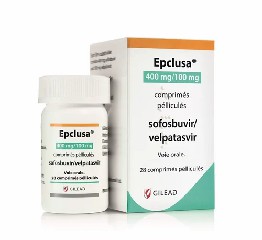
Secondly, the mechanism of side effects is mainly related to the effects of drugs on liver metabolism and systemic circulation. The components of sofosbuvir and velpatasvir in the third generation of Ginseng may exert a certain burden on liver cells during liver metabolism, leading to abnormal liver function indicators. Long-term use may also affect blood cell production, causing a drop in hemoglobin or a change in platelet count. In addition, when the drug is used with other drugs such as antacids, certain anti-epileptic drugs, or diuretics, drug interactions may occur and worsen side effects. Therefore, when taking medicine for a long time, patients should inform their doctors in detail about all the medicines they are taking, and avoid adjusting the dosage on their own or combining other medicines at will.
Third, monitoring measures for long-term medication is very critical. It is recommended that patients conduct blood routine, liver function, renal function and HCV viral load monitoring before treatment, during treatment and during follow-up after treatment. When serum aminotransferase (ALT, AST) and bilirubin levels are abnormally elevated, you should communicate with your doctor in time to decide whether the dose needs to be adjusted or the observation time needs to be extended. At the same time, regular weight, blood pressure and blood sugar monitoring are also very important to detect potential systemic metabolic abnormalities. In addition, patients should record daily medication use and physical reactions so that doctors can evaluate the safety of long-term medication.
Finally, in order to reduce the risk of long-term medication, patients should pay attention to a reasonable diet, ensure adequate rest, abstain from alcohol and avoid hepatotoxic drugs in daily life, while maintaining a good psychological state to reduce the negative impact of drug side effects. When mild side effects such as mild headache or diarrhea occur, they can be relieved through dietary adjustments, appropriate exercise, or consulting a doctor to use auxiliary drugs. For possible serious side effects, the medication should be stopped immediately or the medication regimen should be adjusted under the guidance of a professional doctor. In summary, through scientific management and standardized monitoring, the vast majority of patients can take Jisandai for a long time within a safe range and achieve sustained healing effects while minimizing the risk of side effects.
Reference materials:https://www.drugs.com/
[ 免责声明 ] 本页面内容来自公开渠道(如FDA官网、Drugs官网、原研药厂官网等),仅供持有医疗专业资质的人员用于医学药学研究参考,不构成任何治疗建议或药品推荐。所涉药品可能未在中国大陆获批上市,不适用于中国境内销售和使用。如需治疗,请咨询正规医疗机构。本站不提供药品销售或代购服务。


